Capability Funding & Delivery — Part 5
Australia’s defence innovation ecosystem is entering a new phase.
As capital requirements increase — particularly for dual-use and advanced capability sectors — questions of national interest and foreign investment become more prominent.
Capital is not neutral.
In defence and high-consequence domains, the source, structure, and intent of capital matter.
The Strategic Context
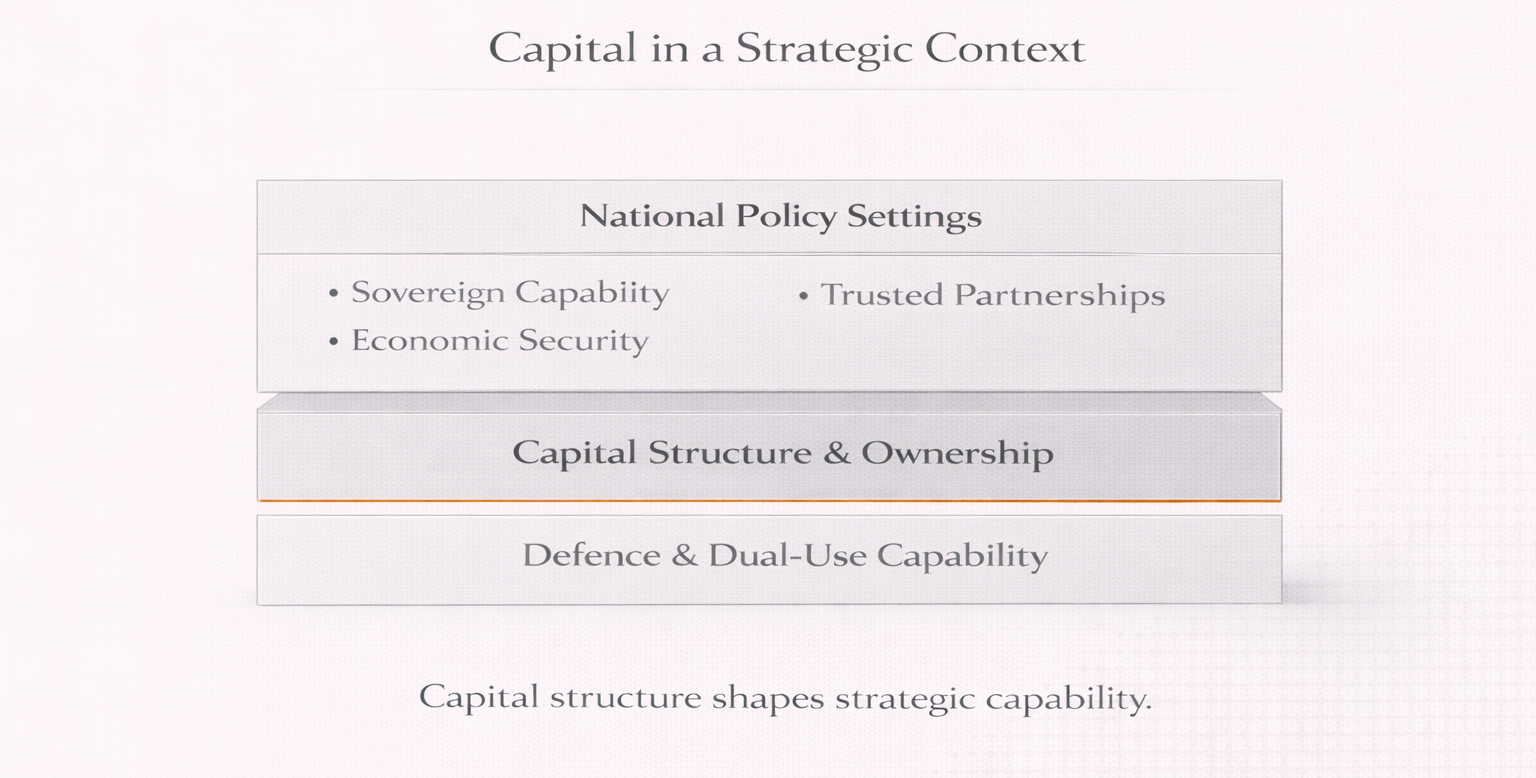
Australia’s strategic policy settings increasingly emphasise:
- Sovereign capability
- Economic security
- Supply chain resilience
- Trusted international partnerships
These priorities influence how defence-aligned companies access growth capital.
Investment decisions are no longer purely commercial. They are increasingly strategic.
The Role of Foreign Capital
Foreign capital has historically played a significant role in scaling Australian technology companies.
In defence and dual-use sectors, however, additional considerations apply:
- Foreign ownership, control or influence (FOCI)
- Export control implications
- Alignment with trusted partner nations
- Access to sensitive intellectual property
- Regulatory and security review processes
Foreign capital is not inherently problematic — but it introduces complexity.
Organisations must understand how ownership structures interact with national interest considerations.
Regulatory and Screening Frameworks
Australia operates within established frameworks designed to manage foreign investment and national security risk.

These may include:
- Foreign investment review processes
- Export control regulations
- Sanctions and counter-terrorism financing compliance
- Protective security frameworks
- Defence trade controls
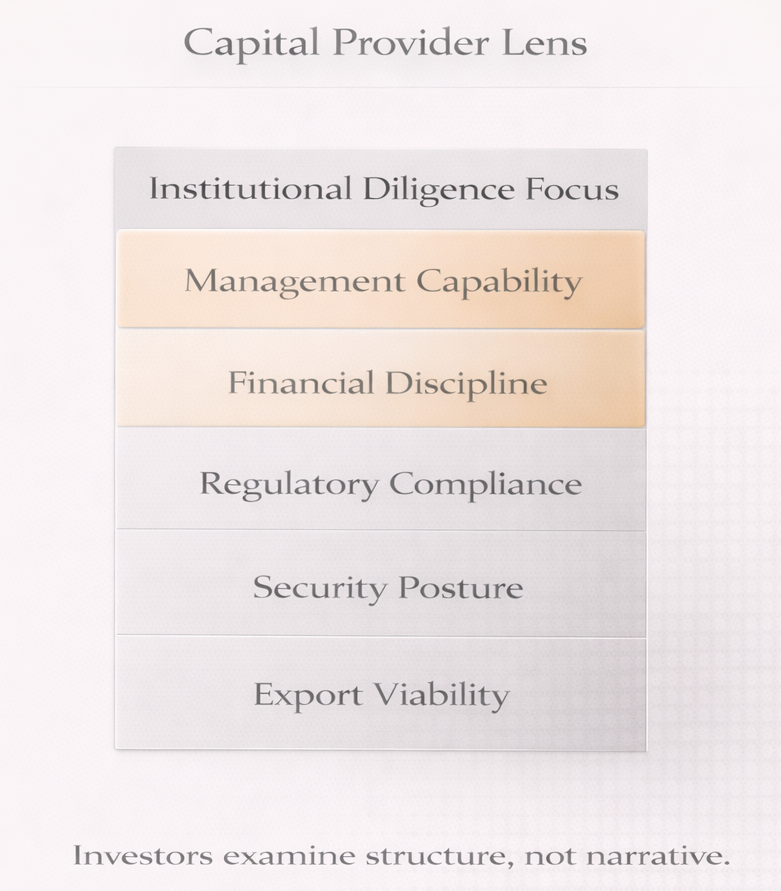
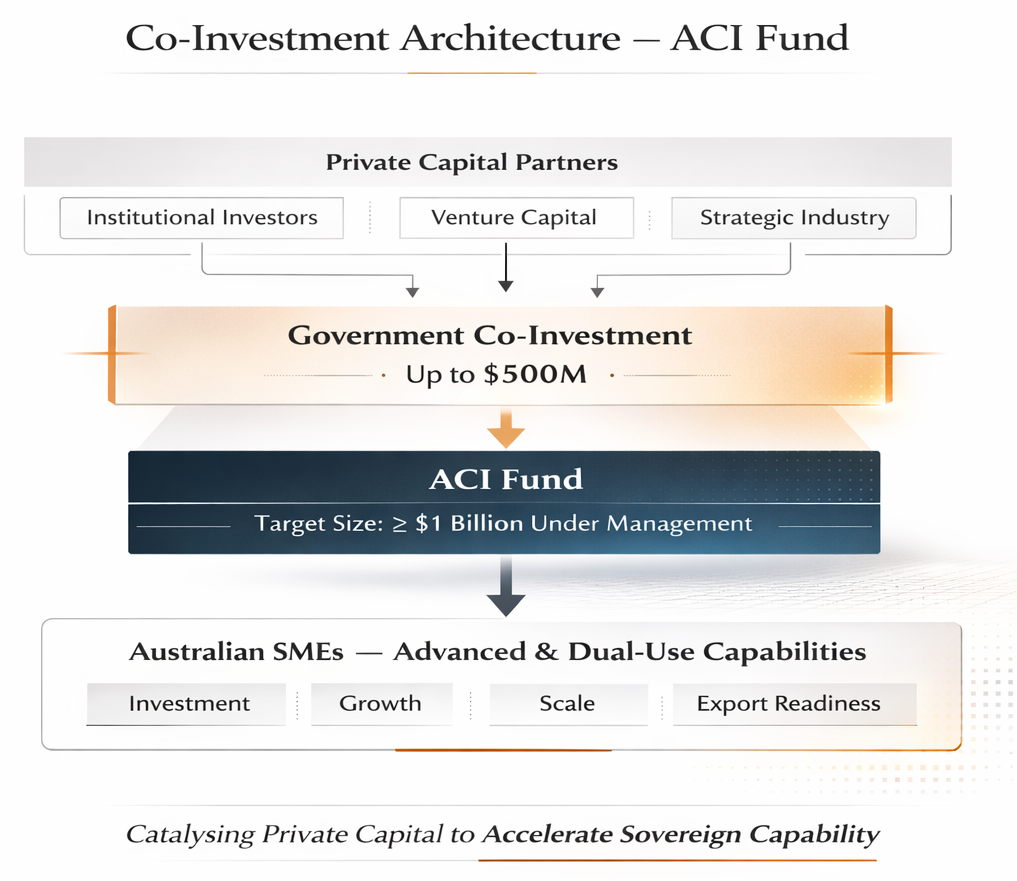
Institutional investors, superannuation funds, and government-aligned co-investment vehicles will assess exposure to these frameworks carefully.
Early clarity reduces transaction friction.
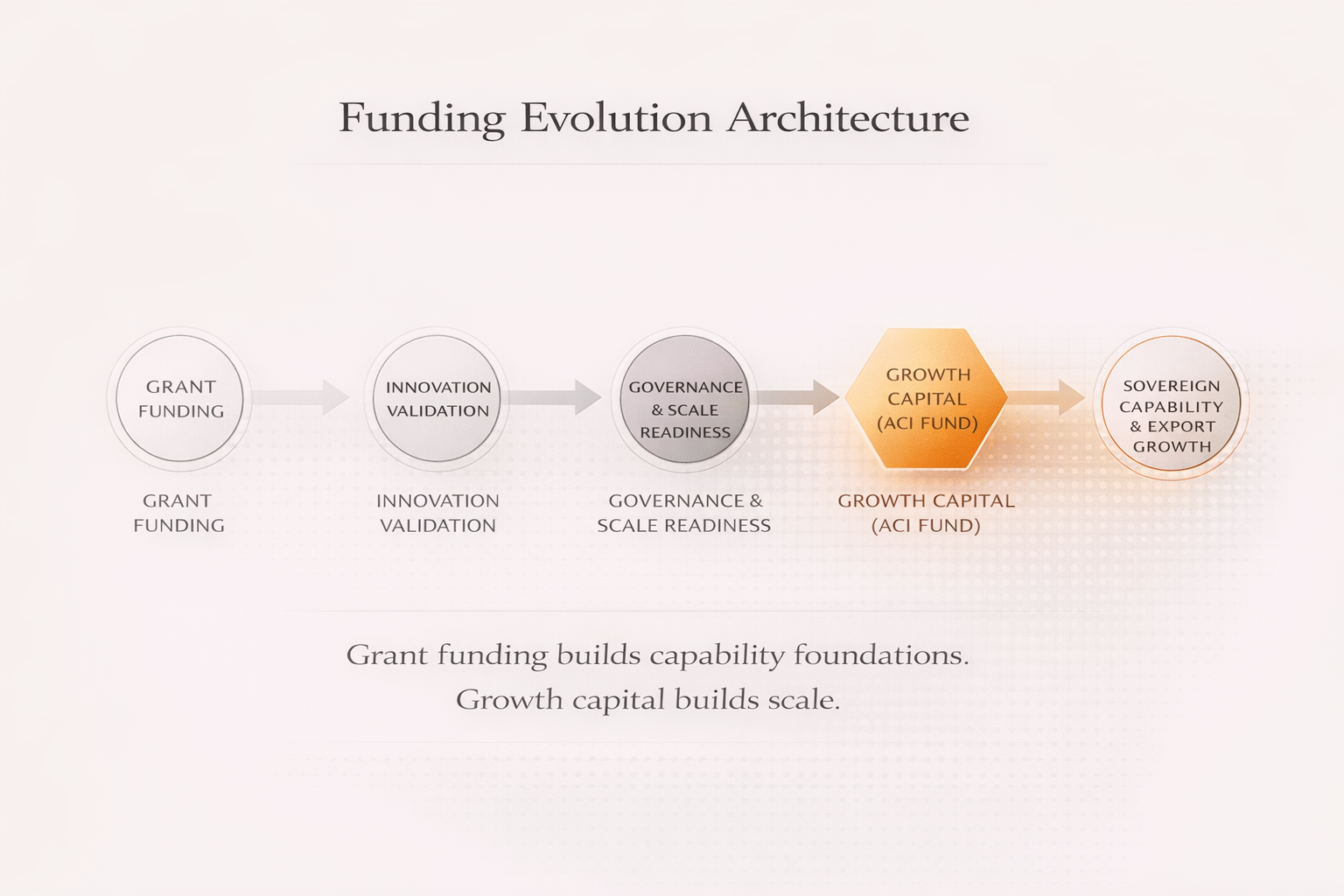
Strategic Capital vs. Passive Capital
Not all capital behaves the same way.
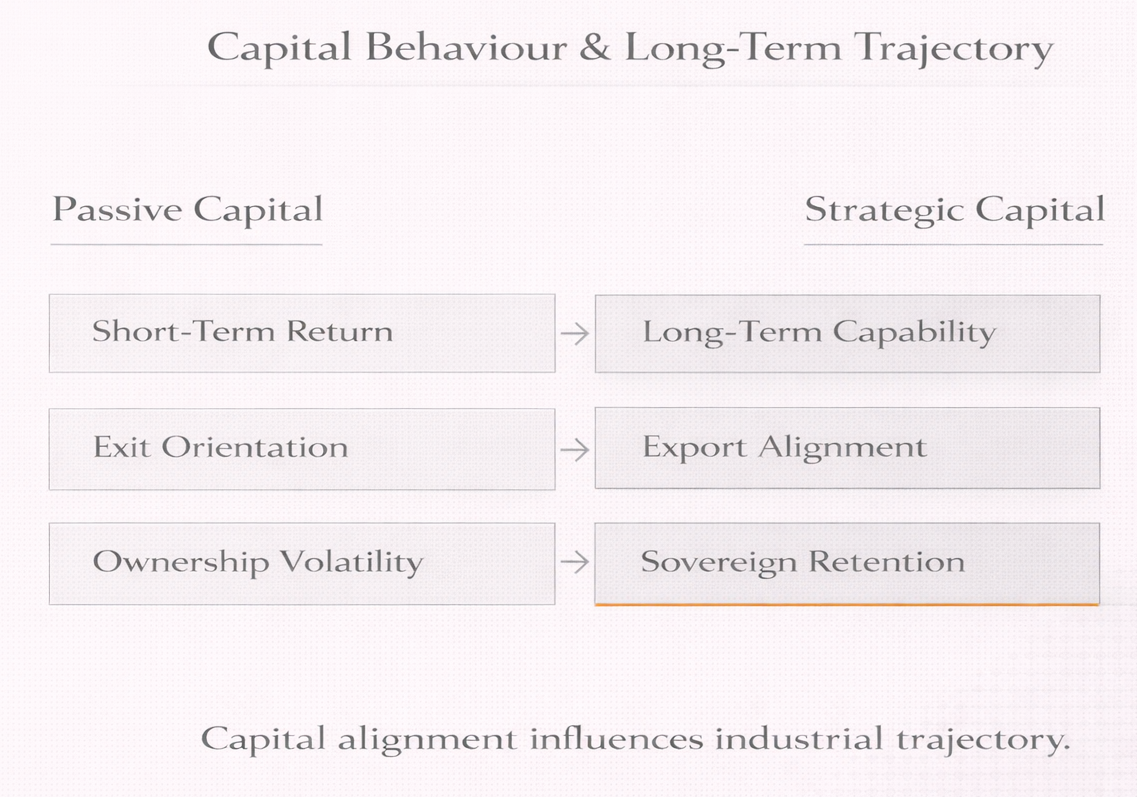
Some capital providers seek:
- Long-term sovereign capability growth
- Export expansion aligned with trusted markets
- Industrial ecosystem development
Others may prioritise:
- Short-term financial return
- Rapid exit cycles
- Strategic acquisition pathways
For defence-aligned organisations, capital alignment can shape long-term trajectory.
Strategic capital requires strategic planning.
The Superannuation Question
Australia possesses one of the world’s largest pools of institutional capital through its superannuation system.
A key question emerging in policy discussions is:
‘Will domestic institutional capital lean into sovereign defence capability — or will scaling capital continue to be sourced offshore?‘
The answer will influence:
- Ownership patterns
- Export positioning
- Control of critical technologies
- Long-term industrial resilience
This is an evolving landscape.
Preparing for Strategic Scrutiny
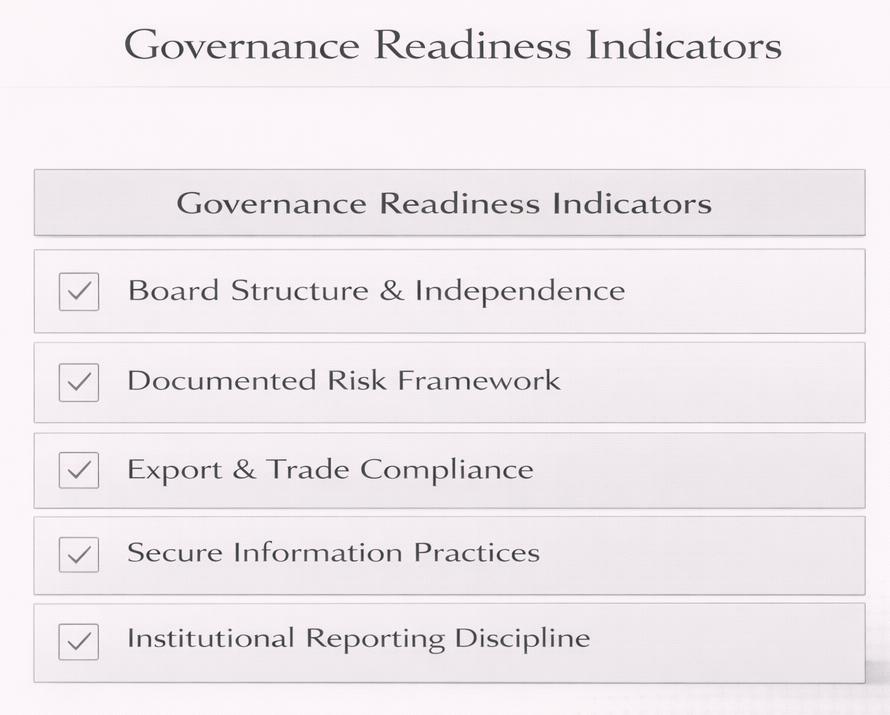
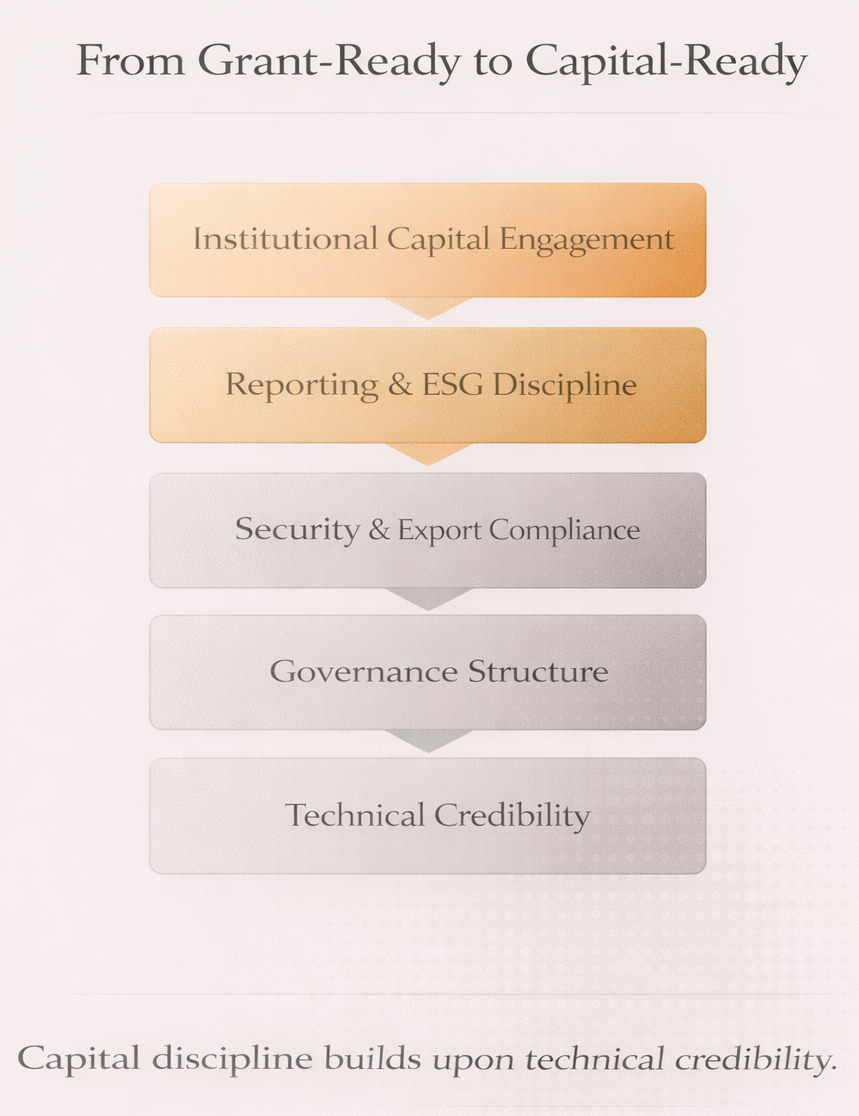
Organisations operating in advanced capability sectors should be prepared to articulate:
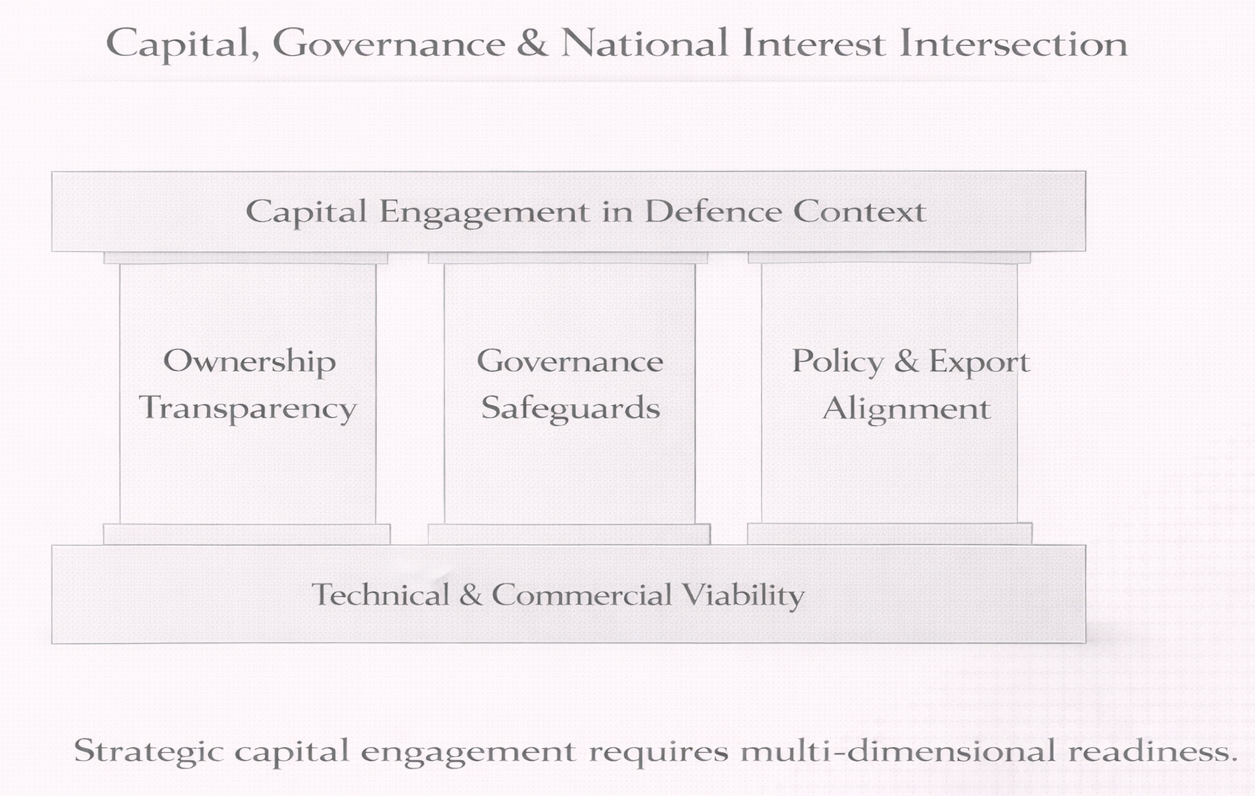
- Ownership structure transparency
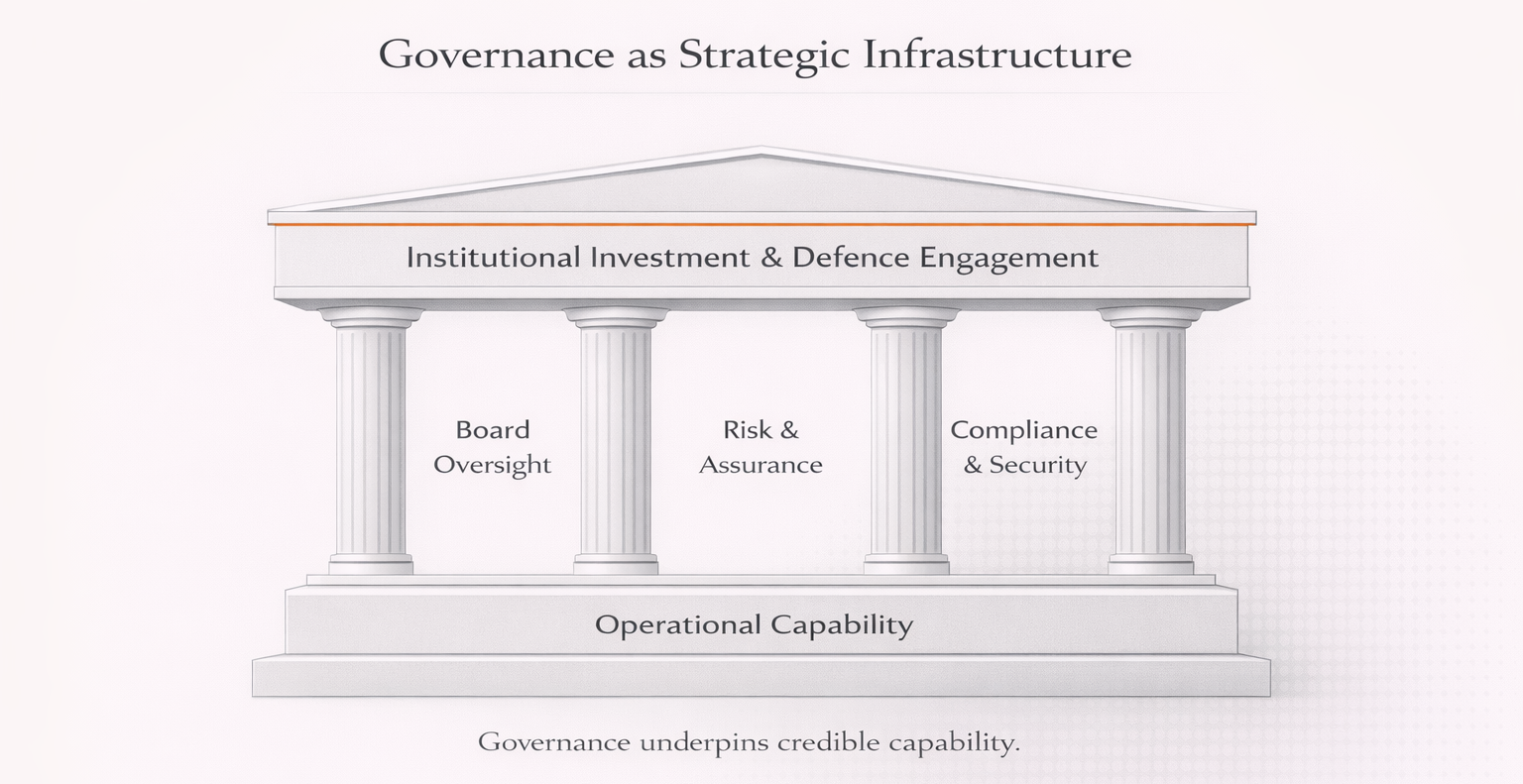
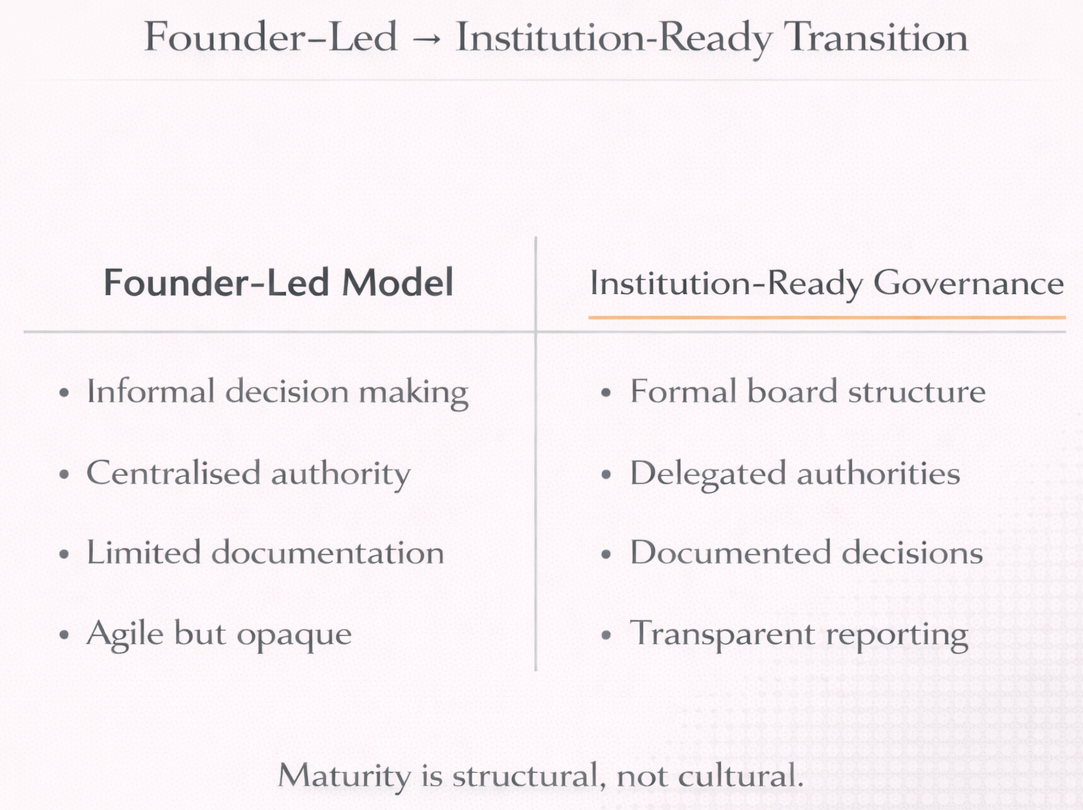
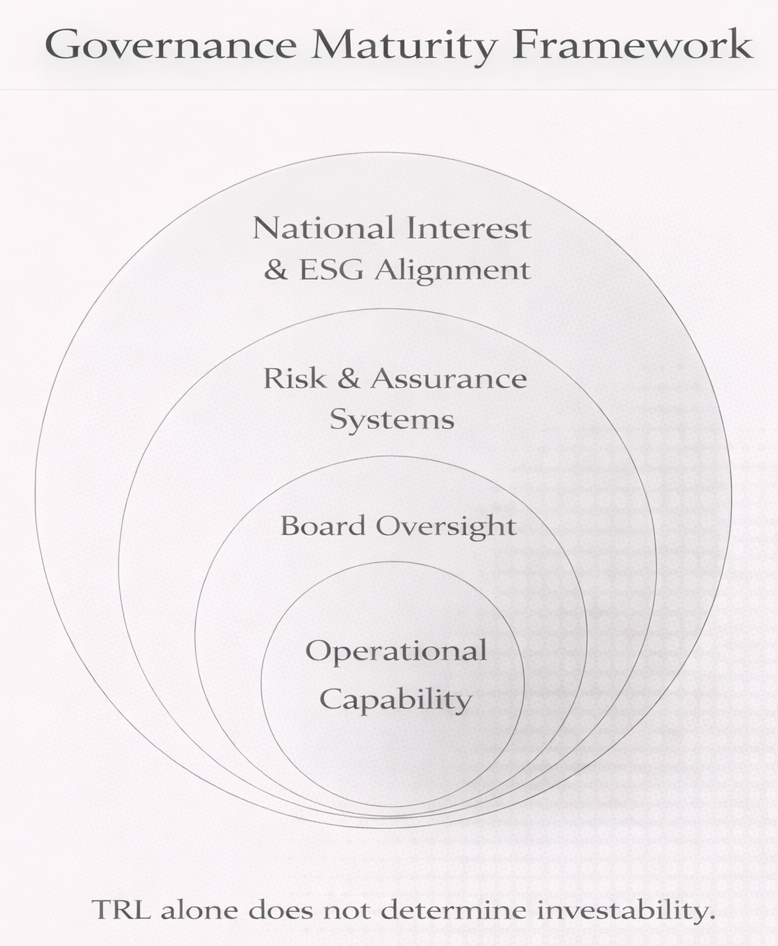
- Governance safeguards
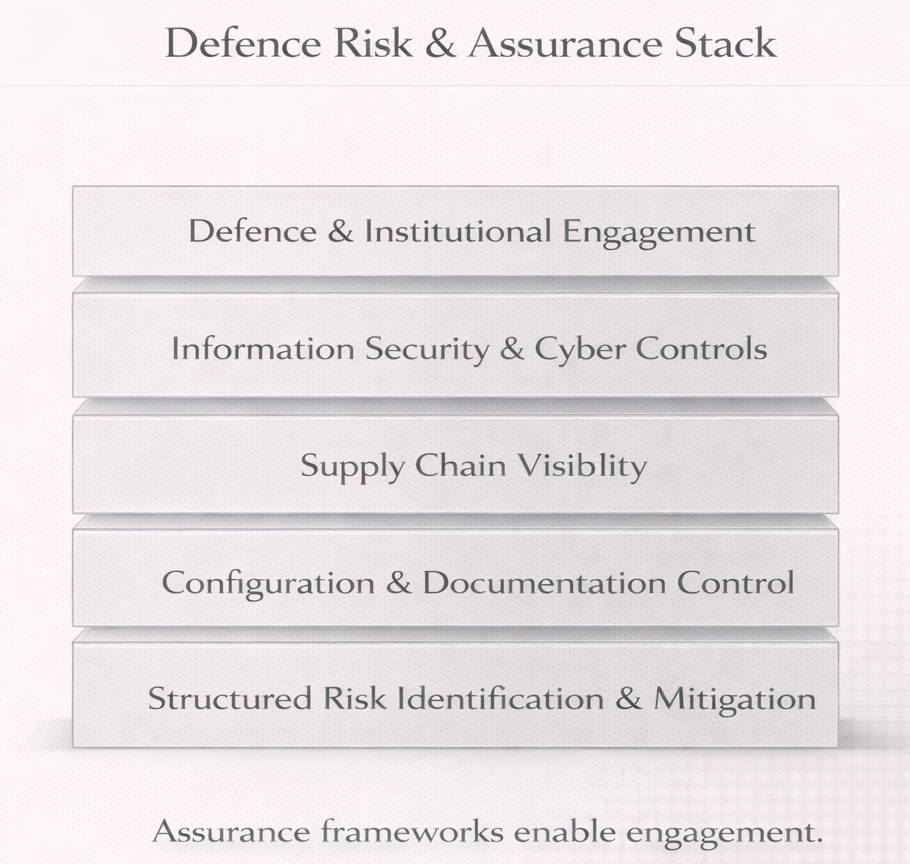
- Export and compliance readiness
- Alignment with national policy settings
- Long-term strategic intent
Capital discussions in defence are increasingly multi-dimensional.
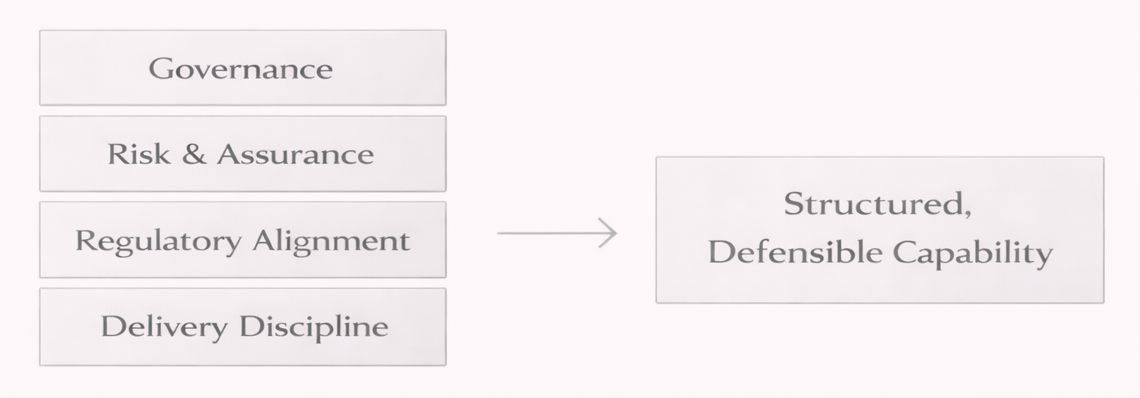
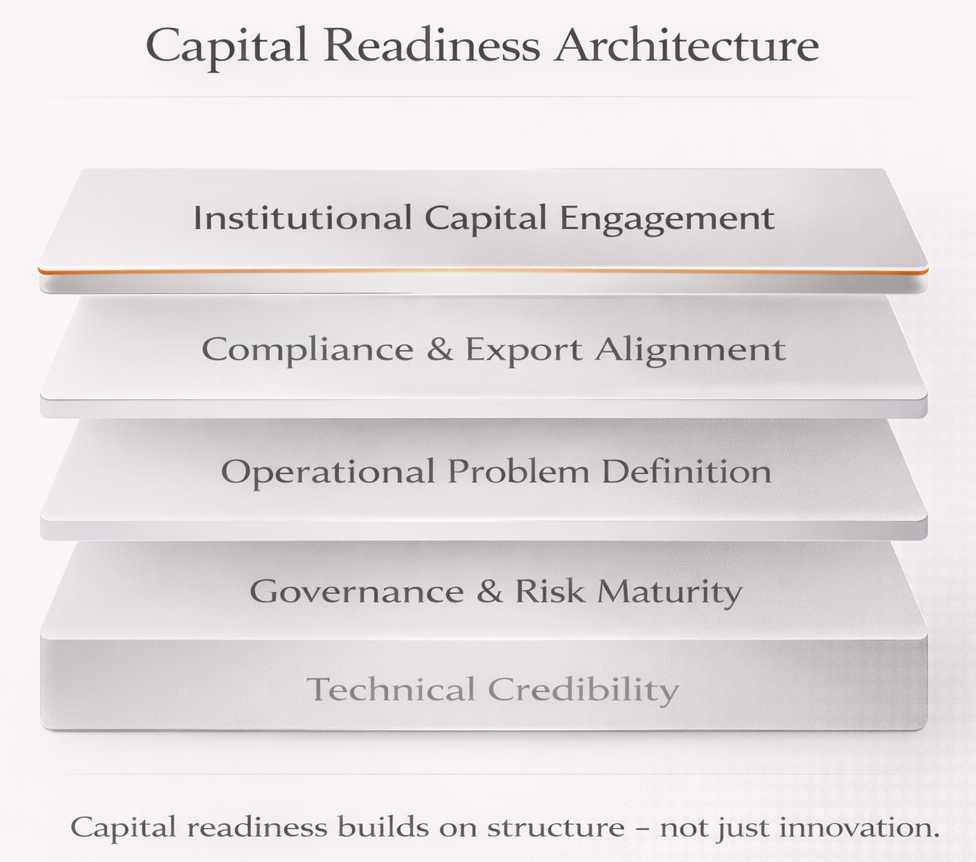
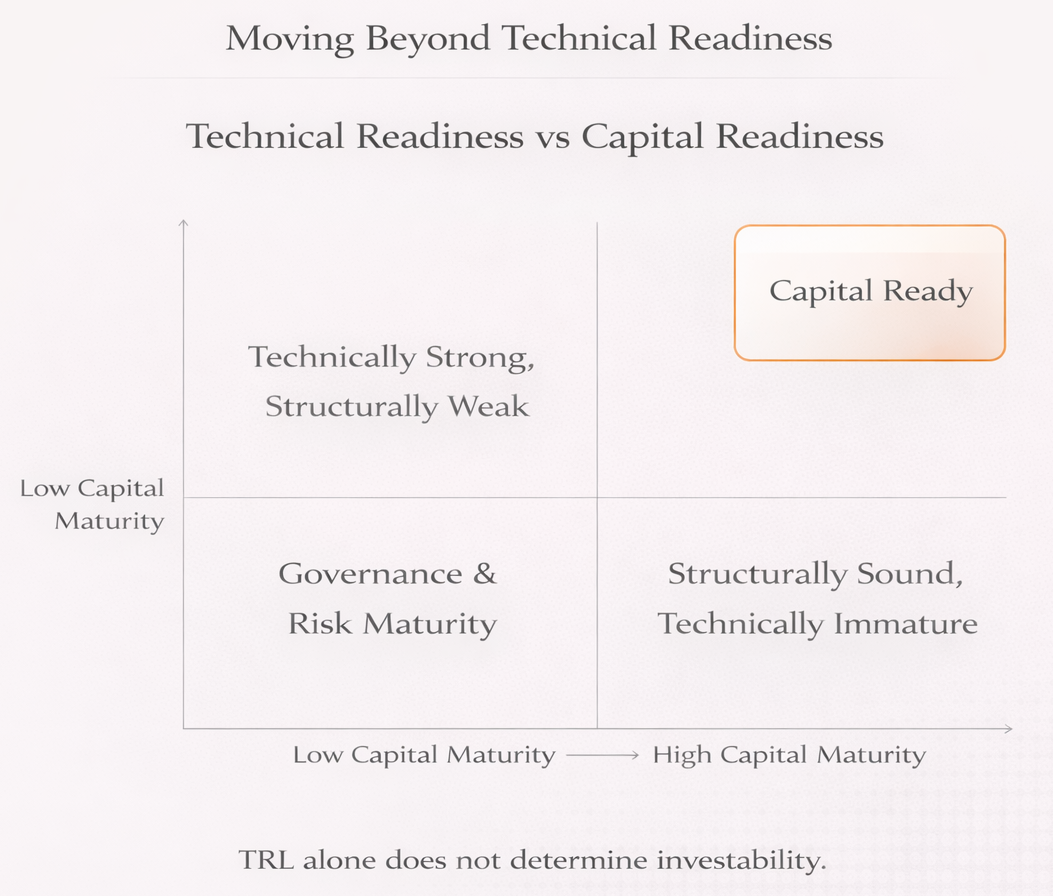
Technical capability, commercial viability, governance maturity, and national interest alignment now intersect.
ARIA Perspective
ARIA operates at the intersection of delivery, governance, and sovereign capability development.
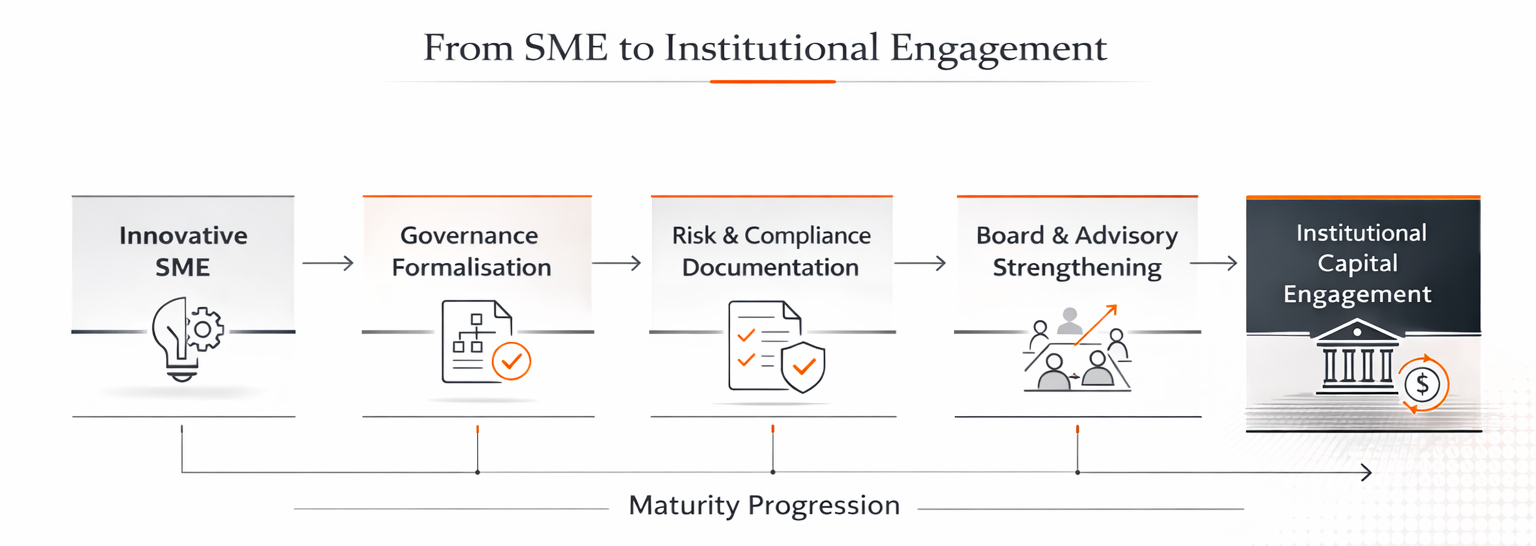
We support organisations to:
- Structure capital engagement in regulated environments
- Align governance and ownership considerations with national interest expectations
- Navigate Defence, regulatory, and compliance pathways
- Translate strategic intent into operationally credible delivery
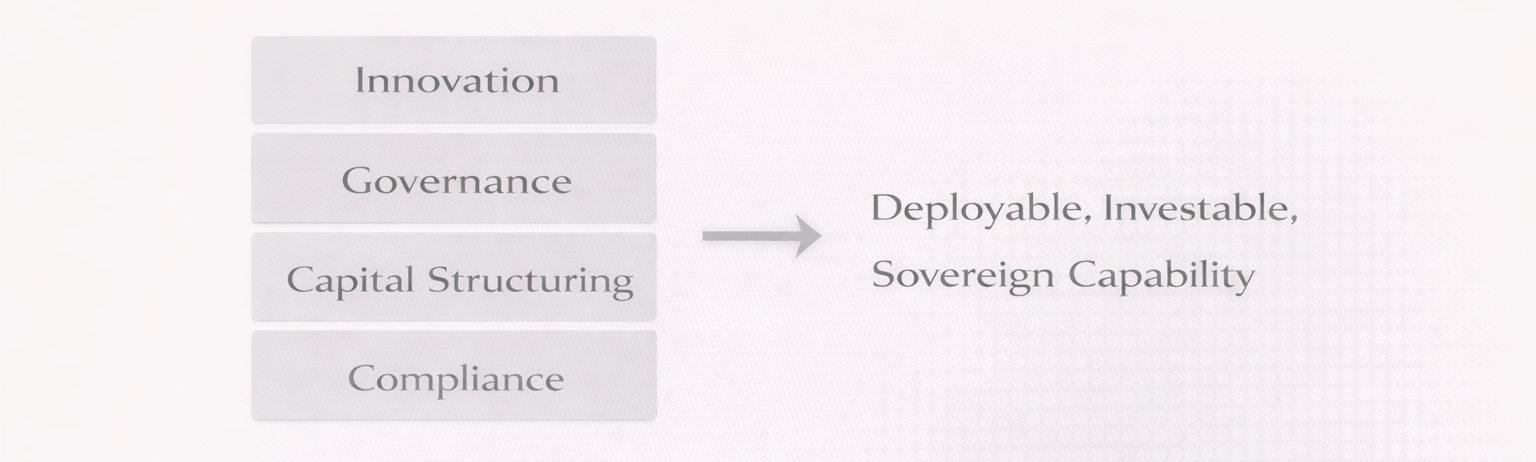
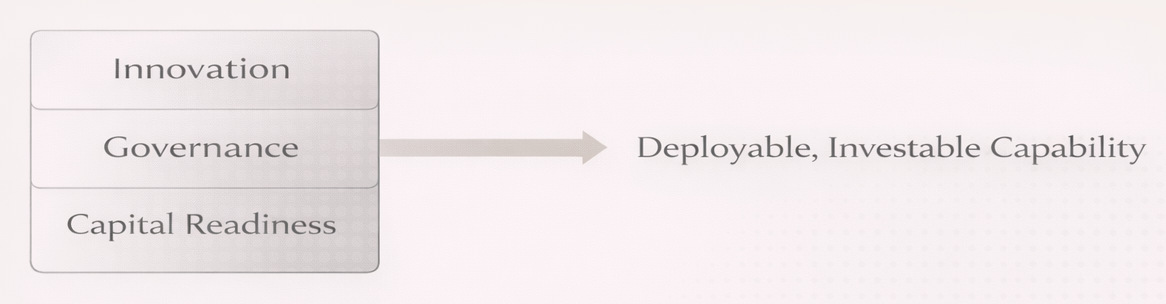
In high-consequence sectors, capital strategy is part of capability strategy.

Disclaimer
This article provides general information only and does not constitute legal, financial, or investment advice. Organisations should seek independent advice relevant to their specific circumstances.