
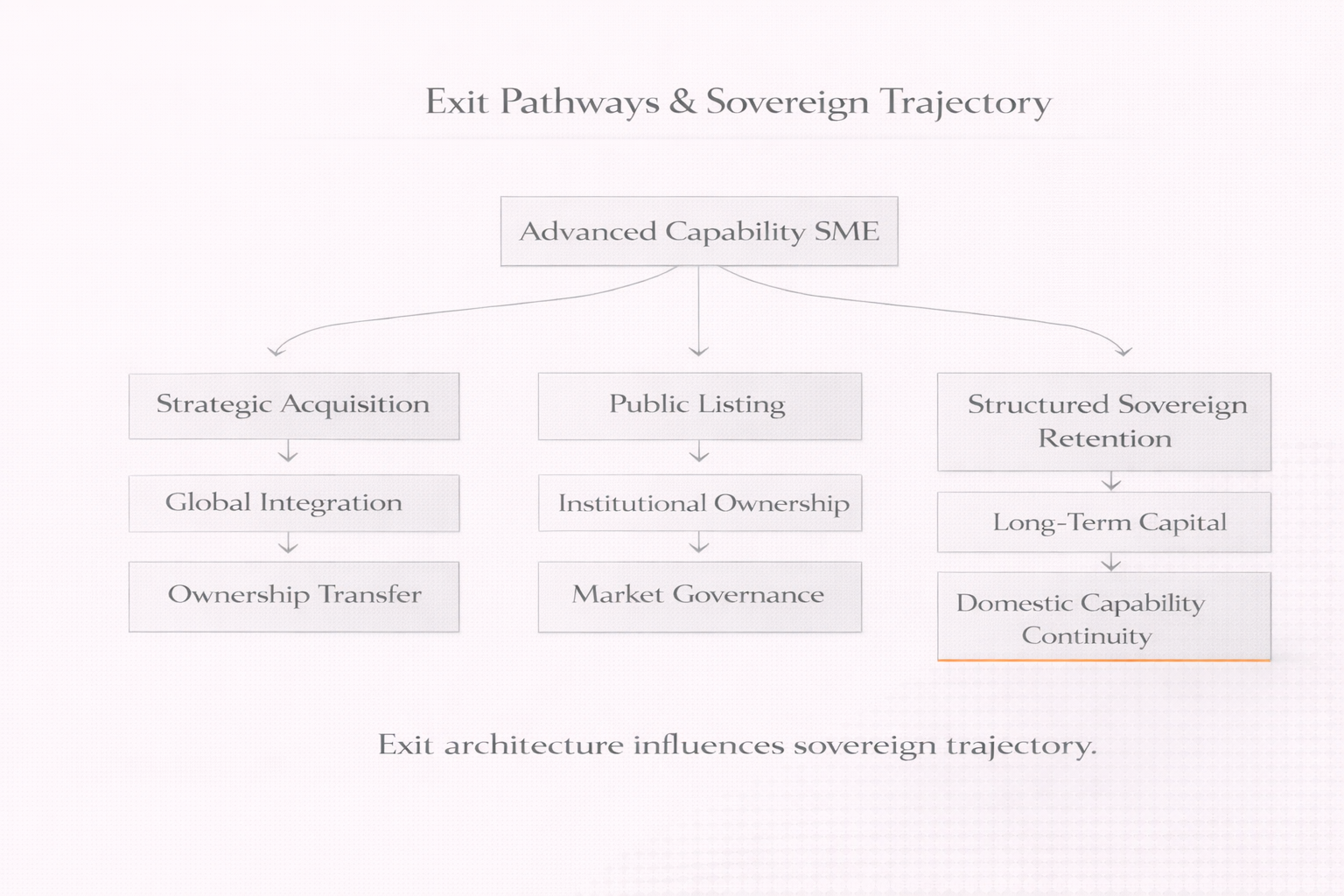
Capability Funding & Delivery — Part 6
As Australia’s defence and dual-use innovation ecosystem matures, attention is increasingly shifting beyond capital entry — to capital exit.
How capability companies are funded matters.
How they transition ownership matters just as much.
In high-consequence sectors, exit pathways shape long-term sovereignty.
Why Exit Strategy Matters in Defence
In traditional venture ecosystems, exit events are viewed primarily through financial lenses:
How capability companies are funded matters.
Exit planning is therefore both commercial and strategic.
The Tension Between Scale and Sovereignty
Scaling advanced capability often requires capital at levels beyond early domestic funding pools.
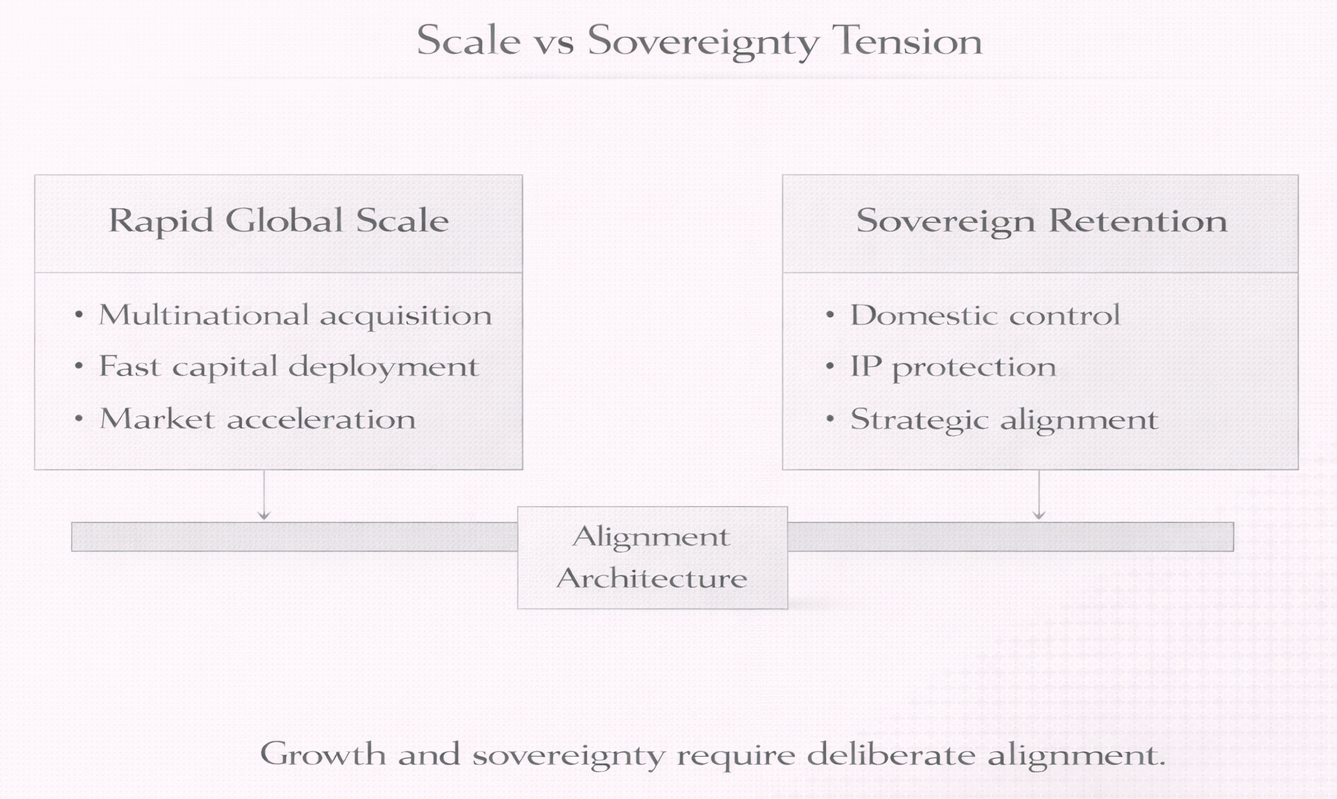
This creates a structural tension:
- Rapid scale through global acquisition
versus
- Controlled growth with long-term sovereign retention
Neither pathway is inherently superior.
The challenge is aligning growth ambition with national interest considerations.
Exit Pathway Types in Defence and Dual-Use Markets
Common exit pathways include:
Strategic Acquisition
Often by large multinational defence primes or technology firms.
Pros:
- Immediate scale
- Access to global markets
- Integration into established supply chains
Considerations:
- Ownership transfer
- Technology control
- Long-term domestic capability presence
Public Listing
IPO pathways may enable broader domestic ownership and capital recycling.
Pros:
- Transparency
- Institutional investor participation
- Potential retention of Australian control
Considerations:
- Market volatility
- Ongoing compliance burden
- Shareholder pressure dynamics
Secondary Institutional Capital
Structured buyouts or long-hold institutional investors (including sovereign-aligned funds).
Pros
- Long-term growth focus
- Governance stability
- Strategic alignment potential
Considerations
- Capital concentration
- Strategic expectations
Sovereign Retention Models
Long-term sovereign capability retention may involve:
- Golden share arrangements
- Protective governance rights
- Strategic co-investment structures
- Trusted partner frameworks
- Industrial participation agreements
These mechanisms are not universal, but they illustrate how commercial exits and national interest considerations can coexist.
Recycling Capital Without Losing Capability
Healthy ecosystems require capital recycling.
Founders, early investors, and venture funds must be able to exit to sustain innovation cycles.
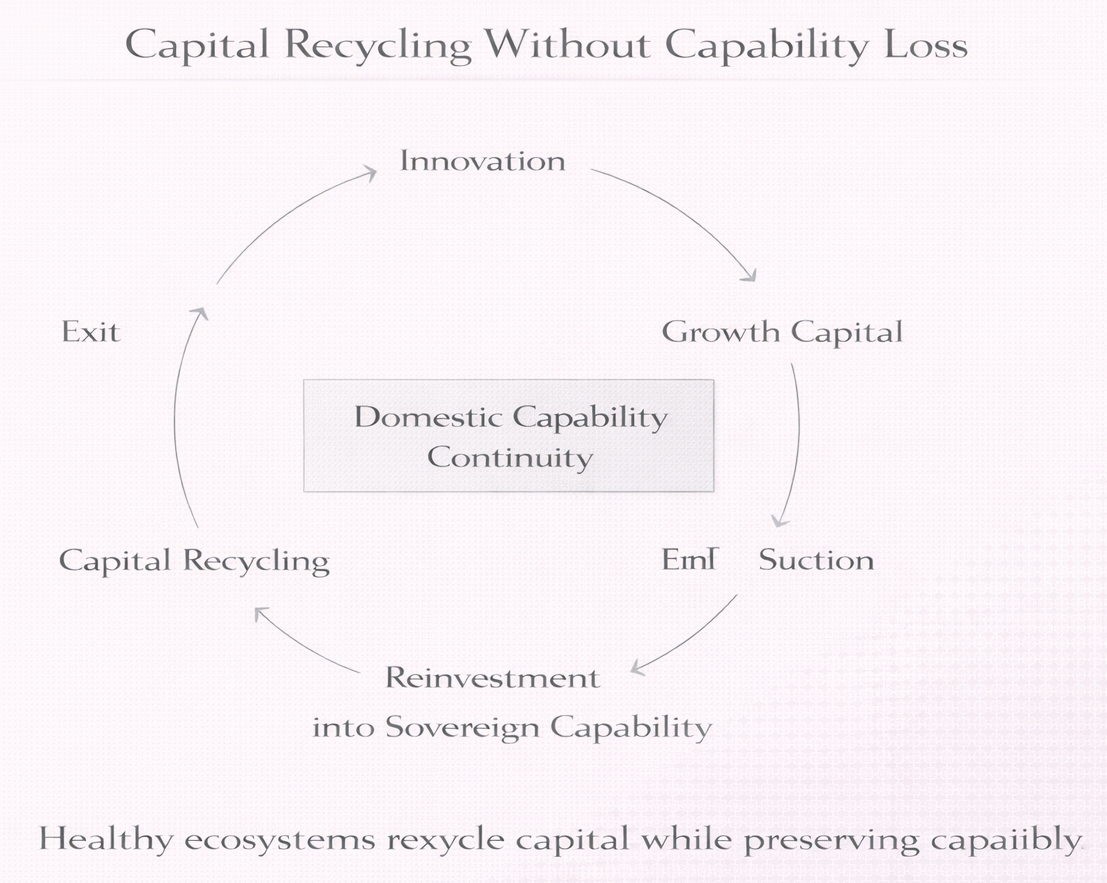
The question is not whether exits should occur — but how they are structured.
Structured exits can:
- Maintain domestic operational footprint
- Preserve R&D capability
- Protect sensitive IP
- Support export alignment
Capital strategy and industrial strategy are increasingly intertwined.
Preparing for Exit Early
Organisations operating in defence and dual-use sectors should consider exit architecture from early growth stages.
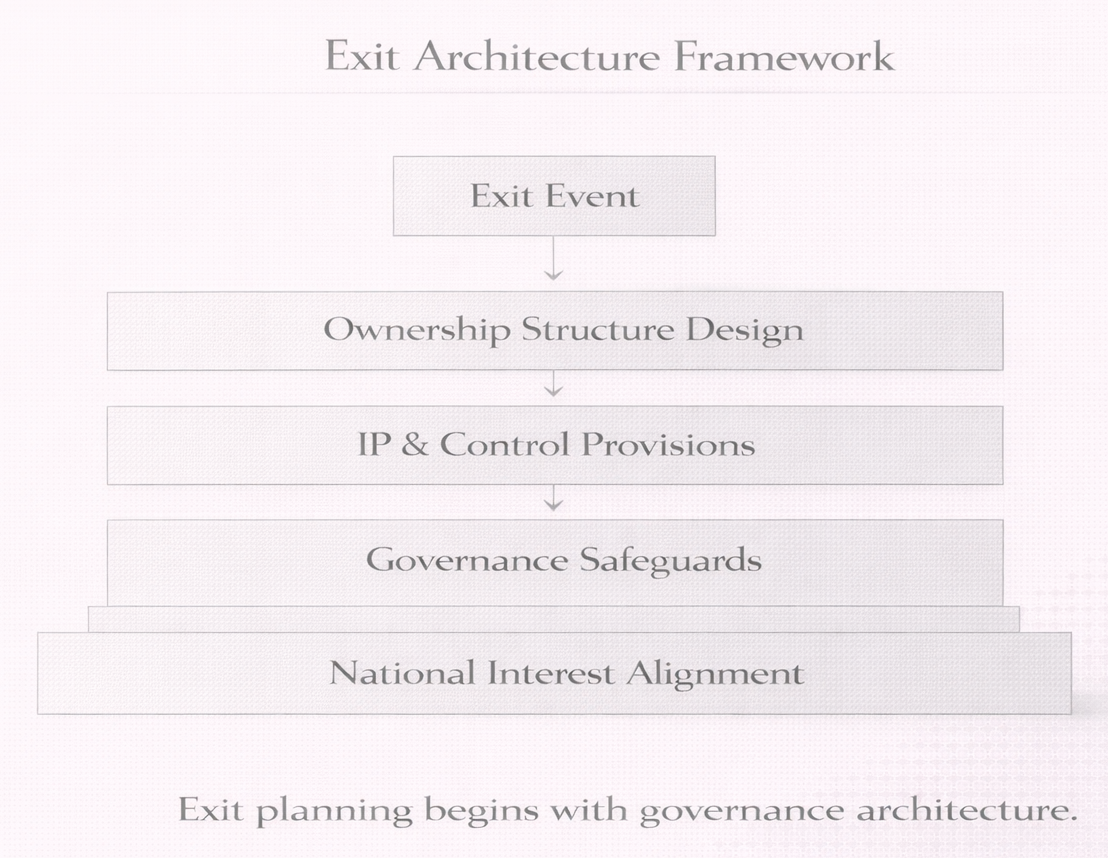
This includes:
- Ownership structure transparency
- Shareholder agreement design
- IP protection strategy
- Board rights and control provisions
- Regulatory pathway mapping
Exit planning is not an afterthought.
It is part of capital strategy.
ARIA Perspective
ARIA operates at the intersection of capability delivery, governance, and strategic capital alignment.
We support organisations to:
- Align growth and capital strategy with sovereign capability objectives
- Integrate governance safeguards early
- Structure engagement pathways with clarity and independence
- Translate strategic ambition into structured, deliverable outcomes
In defence-aligned sectors, long-term capability resilience depends on deliberate capital architecture.

Disclaimer
This article provides general information only and does not constitute legal, financial, or investment advice. Organisations should seek independent advice relevant to their circumstances.
Leave a Reply