AI is Moving from Experimentation to Operational Use
Artificial intelligence is rapidly changing how organisations manage safety, assets, logistics, maritime operations, infrastructure, environmental risk and complex operational decision-making.
For Defence, government, infrastructure, ports, energy, mining, logistics and critical industry, the question is no longer whether AI has potential.
The more important question is:
How do we integrate AI-enabled and data-enabled technologies safely, responsibly and effectively into real operating environments?
This is where ARIA Project Management Solutions provides value.
ARIA works at the intersection of emerging technology, operational delivery, systems integration, governance and capability realisation. Our role is to help organisations understand what a technology can do, where it creates value, what risks need to be managed, and how it can be transitioned into reliable operational capability.
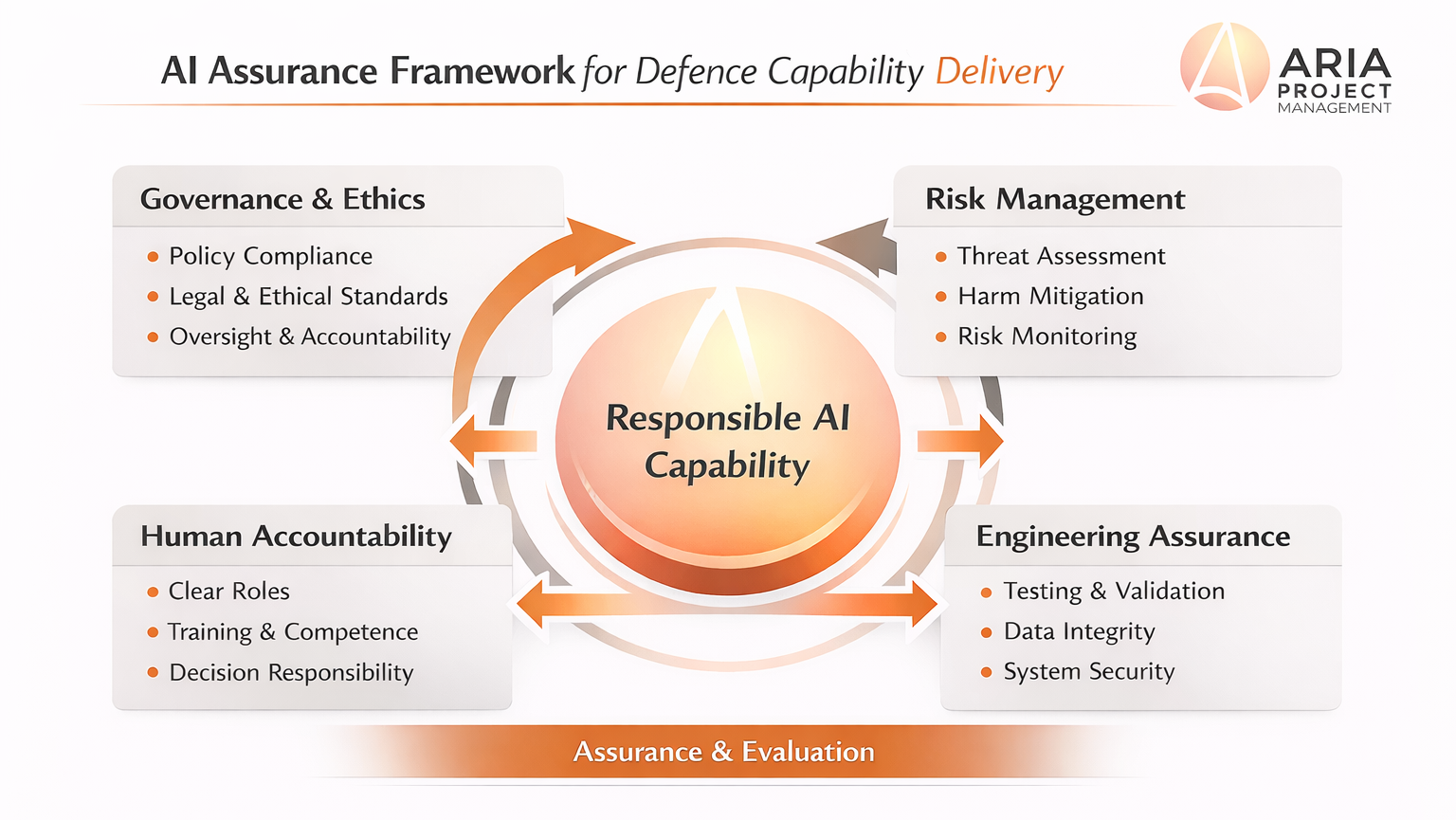
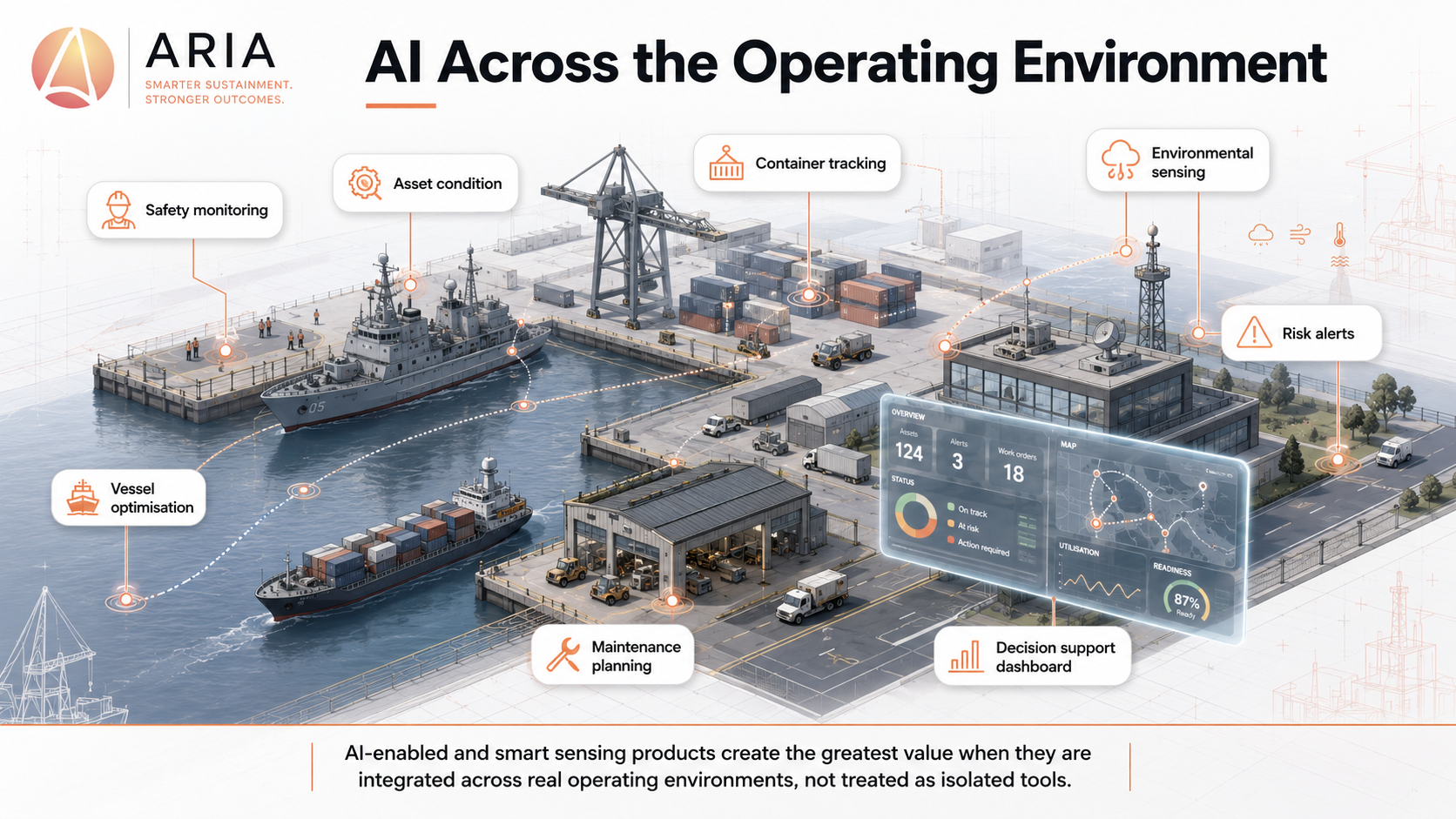
ARIA does not treat AI as a standalone technology. We treat it as part of a broader capability system involving people, data, processes, infrastructure, governance, assurance, sustainment and measurable outcomes.
ARIA’s work in this area extends beyond individual AI products. It includes the broader ecosystem of smart sensing, connected data, asset intelligence, maritime intelligence, operational analytics, research translation and decision-support capability.
The future value of AI will not come from algorithms alone. It will come from the ability to combine data, domain knowledge, governance, systems integration and delivery discipline into trusted operational outcomes.
Where AI, Smart Sensing and Data-Enabled Products Create Value
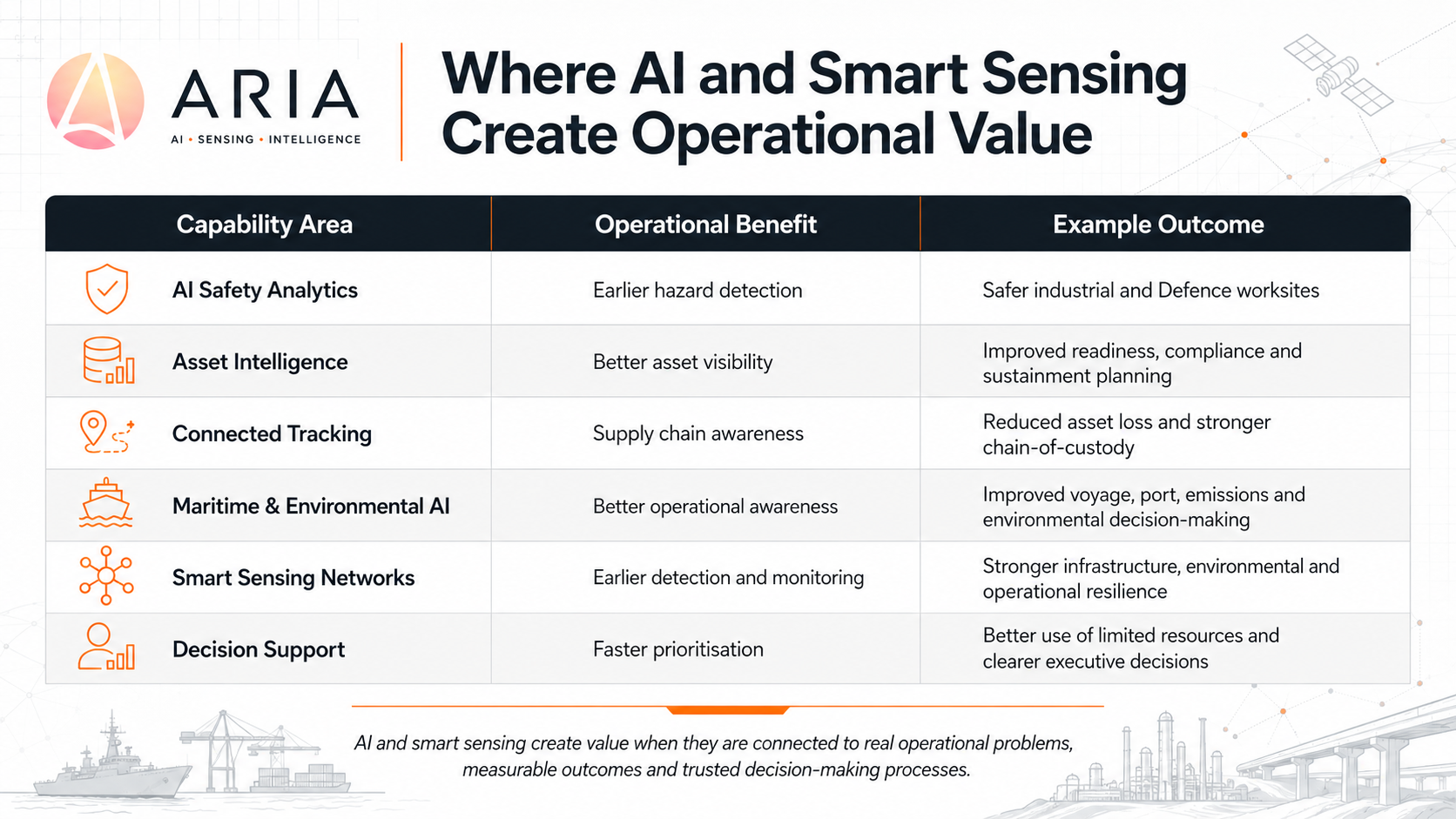
ARIA’s work across emerging AI, sensing, data and decision-support products shows that practical benefits are already available in several important areas.
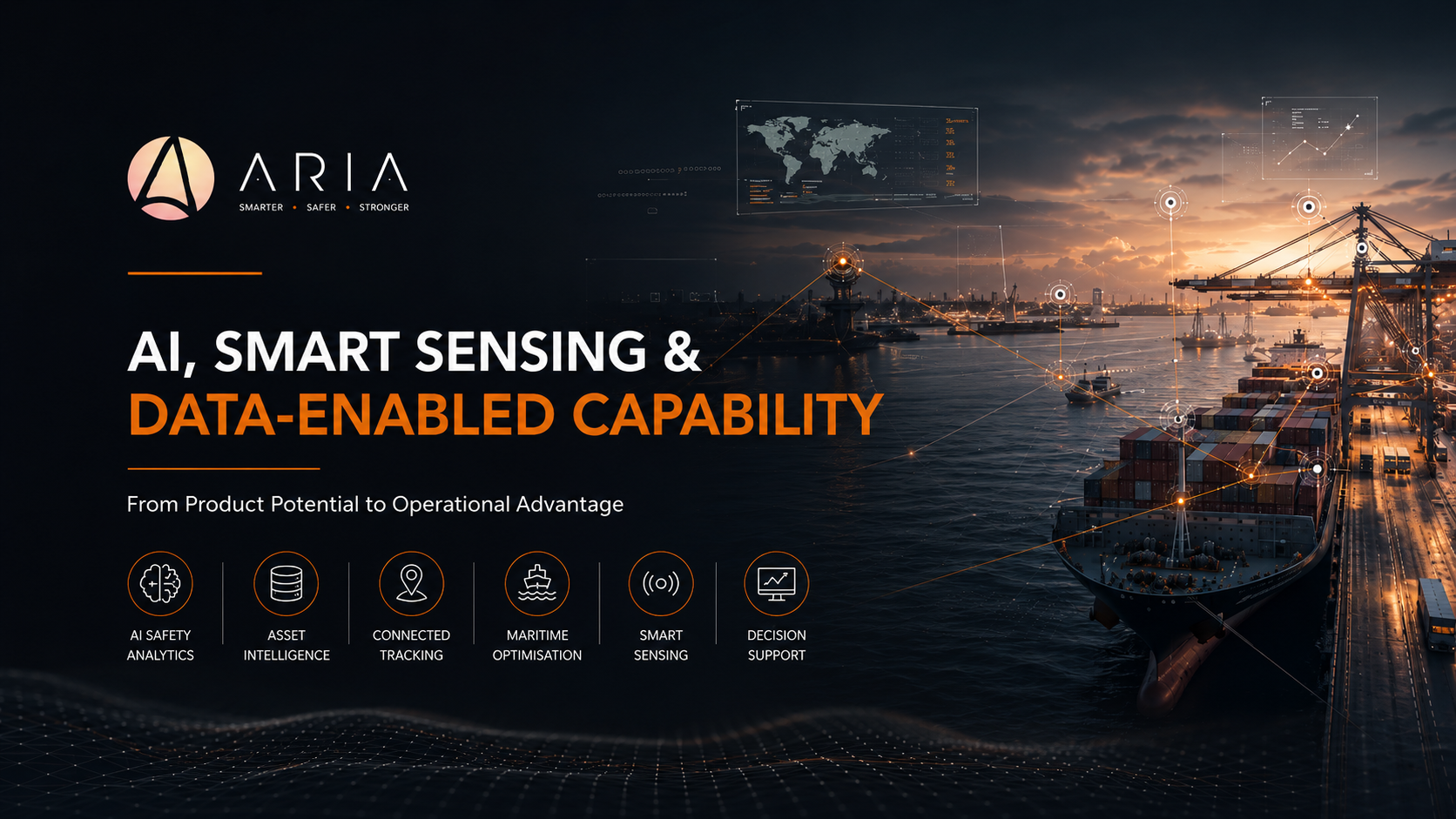
These include:
- AI-enabled workplace safety and video analytics
- Risk-based asset intelligence and operational risk platforms
- Connected asset, container and logistics tracking
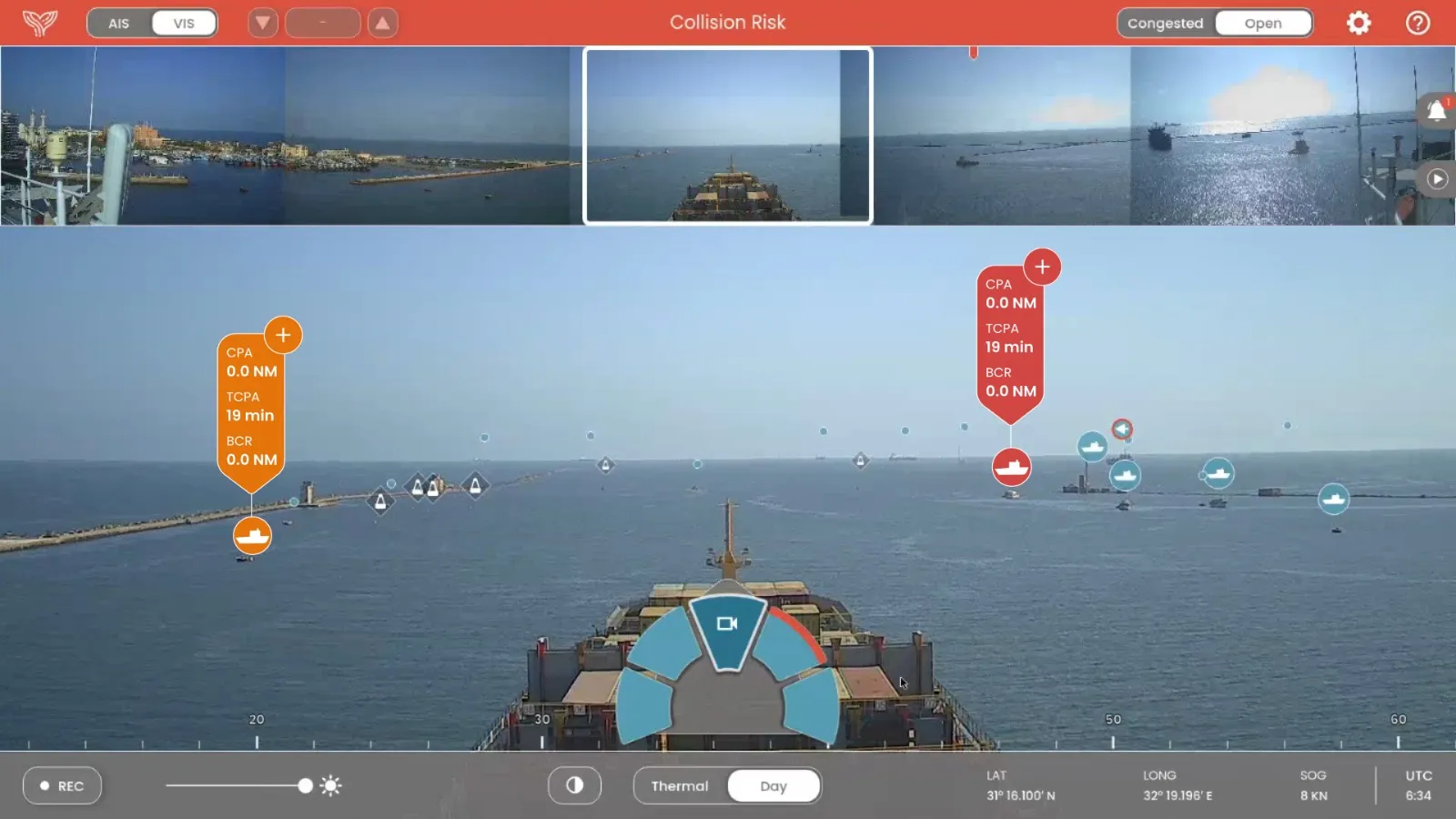
- Maritime AI, environmental intelligence and operational awareness
- Smart sensing networks and research translation
- AI-supported decision-making for complex operational environments
Each product type solves a different problem, but they share a common theme:
They help organisations see earlier, decide faster, reduce risk and act with greater confidence.
1. AI-Enabled Safety and Video Analytics
AI-enabled safety platforms use camera networks, portable cameras, site-based sensors or digital monitoring tools to identify unsafe acts, unsafe conditions, exclusion-zone breaches, missing personal protective equipment, vehicle-person interactions and other high-risk events.
Rather than relying only on retrospective incident reports, these products support a more proactive safety model.
Benefits
These platforms can help organisations:
- Identify hazards earlier
- Improve site safety monitoring
- Support behaviour-based safety programs
- Reduce reliance on manual observation
- Capture safety trends across multiple sites
- Provide data for training, assurance and continuous improvement
- Support safer operations in high-risk environments
These capabilities are relevant to construction, manufacturing, ports, energy, resources, Defence industrial sites, shipyards and sustainment facilities.
Example Application
At a shipyard, port, depot or industrial precinct, an AI-enabled safety product could detect whether workers are entering restricted areas, whether vehicles are moving near pedestrians, or whether required protective equipment is not being worn in designated zones.
The benefit is not simply detection. The greater value comes from using this information to improve operating procedures, site design, training, supervision and risk controls.
ARIA’s Role
ARIA supports the translation of AI safety products into practical operational outcomes by helping organisations define:
- What safety risks the product is intended to reduce
- How the system will integrate with existing safety processes
- What data will be captured and how it will be used
- What alerts require human response
- How privacy, governance and assurance requirements will be managed
- How success will be measured over time
This ensures the technology is not just installed, but properly integrated into the safety management system.
2. Risk-Based Asset Intelligence
AI-enabled and data-driven asset intelligence platforms help organisations manage physical assets, item-level traceability, operational risks, compliance obligations, inspections, maintenance records and asset condition information.
For asset-intensive organisations, this creates a significant opportunity to improve visibility and decision-making.
Benefits
Risk-based asset intelligence products can help organisations:
- Improve visibility of critical assets
- Link assets to operational risk
- Strengthen compliance and audit readiness
- Improve maintenance and inspection planning
- Reduce asset loss, duplication and data gaps
- Support whole-of-life asset management
- Improve confidence in asset readiness and availability
Example Application
For Defence, emergency services, maritime sustainment, health infrastructure or critical industry, a risk-based asset intelligence product can provide better visibility of what assets exist, where they are located, what condition they are in, what risks they carry, and what actions are required.
This is valuable where organisations manage large fleets, dispersed equipment, safety-critical assets or assets that must remain operationally ready.
For example, a fleet operator may use asset intelligence to identify which items are approaching inspection deadlines, which assets have unresolved defects, and which operational risks are linked to specific equipment classes.
ARIA’s Role
ARIA supports asset intelligence adoption by helping organisations connect the product to broader business and capability outcomes.
This includes:
- Defining asset management requirements
- Mapping operational workflows
- Supporting configuration and implementation planning
- Aligning the product with risk management frameworks
- Supporting data migration and information governance
- Developing implementation roadmaps
- Supporting user adoption and sustainment planning
ARIA’s focus is on ensuring the product supports better decisions, not just better data capture.
3. Connected Asset, Container and Logistics Tracking
Connected tracking products combine IoT devices, sensors, communications networks and software platforms to provide visibility of assets, containers, freight, vehicles or critical equipment across supply chains and operating environments.
These products are particularly relevant where organisations need better visibility across dispersed, mobile or high-value assets.
Benefits
Connected tracking products can help organisations:
- Improve real-time visibility of assets and containers
- Monitor location, movement and route history
- Detect unauthorised movement or tampering
- Support chain-of-custody requirements
- Improve logistics planning and supply chain assurance
- Reduce asset loss and improve utilisation
- Support operational decision-making across distributed environments
Example Application
In a Defence logistics or maritime sustainment context, connected tracking can help monitor the movement of critical spares, mission equipment, containers or high-value components between depots, ports, vessels, contractors and operational locations.
For commercial logistics, it can support container visibility, freight security, delivery assurance and exception management across domestic and international supply chains.
The value is not only knowing where something is. The value is knowing whether it is where it should be, whether it has moved unexpectedly, whether it has been delayed, and whether action is required.
ARIA’s Role
ARIA supports connected tracking adoption by helping organisations consider:
- Operational use cases
- Data ownership and access
- Integration with existing logistics systems
- Communications coverage and limitations
- Security and assurance requirements
- Procurement and implementation pathways
- Sustainment and support models
This helps ensure connected tracking products are implemented as part of a broader logistics and asset visibility capability.
4. Maritime AI, Environmental Intelligence and Operational Awarenes
AI-enabled maritime and environmental intelligence products use operational data, sensor feeds, vessel information, weather, geospatial inputs, emissions data and environmental indicators to support better maritime decision-making.
These capabilities are relevant to commercial shipping, ports, Defence, coastal operations, offshore energy, marine sustainability and emergency response.
Benefits
Maritime and environmental AI products can help organisations:
- Improve voyage and route planning
- Reduce fuel consumption and emissions
- Monitor maritime activity and environmental conditions
- Support port and coastal situational awareness
- Improve asset and infrastructure monitoring
- Assist with regulatory and ESG reporting
- Support safer and more efficient maritime operations
- Provide decision support for complex maritime environments
Example Application
A port, vessel operator, Defence organisation or maritime infrastructure owner may use AI-enabled maritime intelligence to understand changing environmental conditions, optimise movements, monitor emissions, assess risks and support operational planning.
In a Defence or national resilience context, these products may support improved visibility across ports, vessels, sustainment facilities, maritime approaches, coastal infrastructure and supply chains.
The key value is the ability to combine multiple data sources into a clearer operational picture
ARIA’s Role
ARIA supports maritime and environmental AI adoption by helping organisations assess:
- Operational relevance Stakeholder and end-user requirements
- Data availability and quality Integration with existing systems
- Governance and assurance requirements
- Human decision-making responsibilities
- Trial design and benefits measurement
- Pathways to broader adoption
ARIA’s role is to help ensure maritime AI is not treated as an isolated technical tool, but as part of a trusted operational capability.
5. Smart Sensing, Research Translation and Data-Enabled Capability
Smart sensing networks are becoming increasingly important in Defence, infrastructure, energy, maritime, environmental management, emergency services and critical industry.
These capabilities combine sensors, data platforms, analytics, AI, communications networks and domain expertise to provide better visibility of complex operating environments.
Smart sensing is not just about collecting more data. Its value comes from turning distributed signals into useful information that supports planning, operations, risk management, assurance and decision-making.
Benefits
Smart sensing and data-enabled capability can help organisations:
- Monitor complex physical environments
- Detect change earlier Improve situational awareness
- Support predictive maintenance and asset monitoring
- Strengthen environmental and infrastructure resilience
- Improve emergency response planning
- Support research translation into real-world applications
- Enable better data-sharing between government, universities, industry and end users
Example Application
In a maritime or coastal environment, smart sensing can support monitoring of port infrastructure, vessel movements, weather, water conditions, emissions, environmental impacts or asset condition.
In an infrastructure or energy setting, smart sensing could help monitor structural performance, environmental conditions, equipment status or early-warning indicators.
For Defence and national resilience, smart sensing can support improved awareness across operating environments, supply chains, bases, ports, industrial precincts and critical infrastructure.
The benefit is not simply the sensor. The benefit is the integrated capability created when data is collected, analysed, governed and used to support better decisions.
ARIA’s Role
ARIA supports smart sensing and research translation by helping organisations:
- Define practical use cases
- Connect research capability to operational needs
- Support engagement between universities, government, industry and end users
- Identify pathways for pilots, trials and demonstrations
- Align smart sensing projects with capability priorities
- Support governance, delivery planning and benefits realisation
- Translate technical concepts into procurement-ready and implementation-ready propositions
This is particularly important where emerging sensing, AI and data technologies have strong research potential but require structured pathways to become operational capability.
6. AI-Supported Decision-Making in Complex Environments
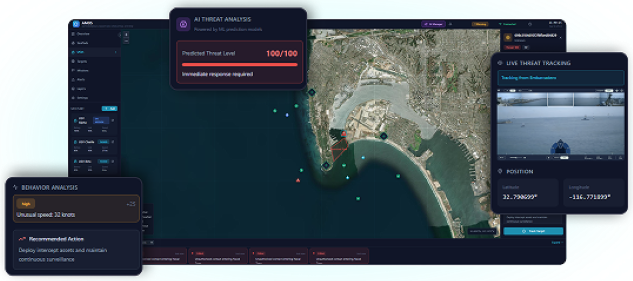
Across all these product types, one of the strongest benefits of AI is its ability to support decision-making in complex environments.
AI-enabled products can identify patterns, detect anomalies, prioritise risks, and provide decision support where manual processes are slow, fragmented or inconsistent.
However, this does not remove the need for human judgement.
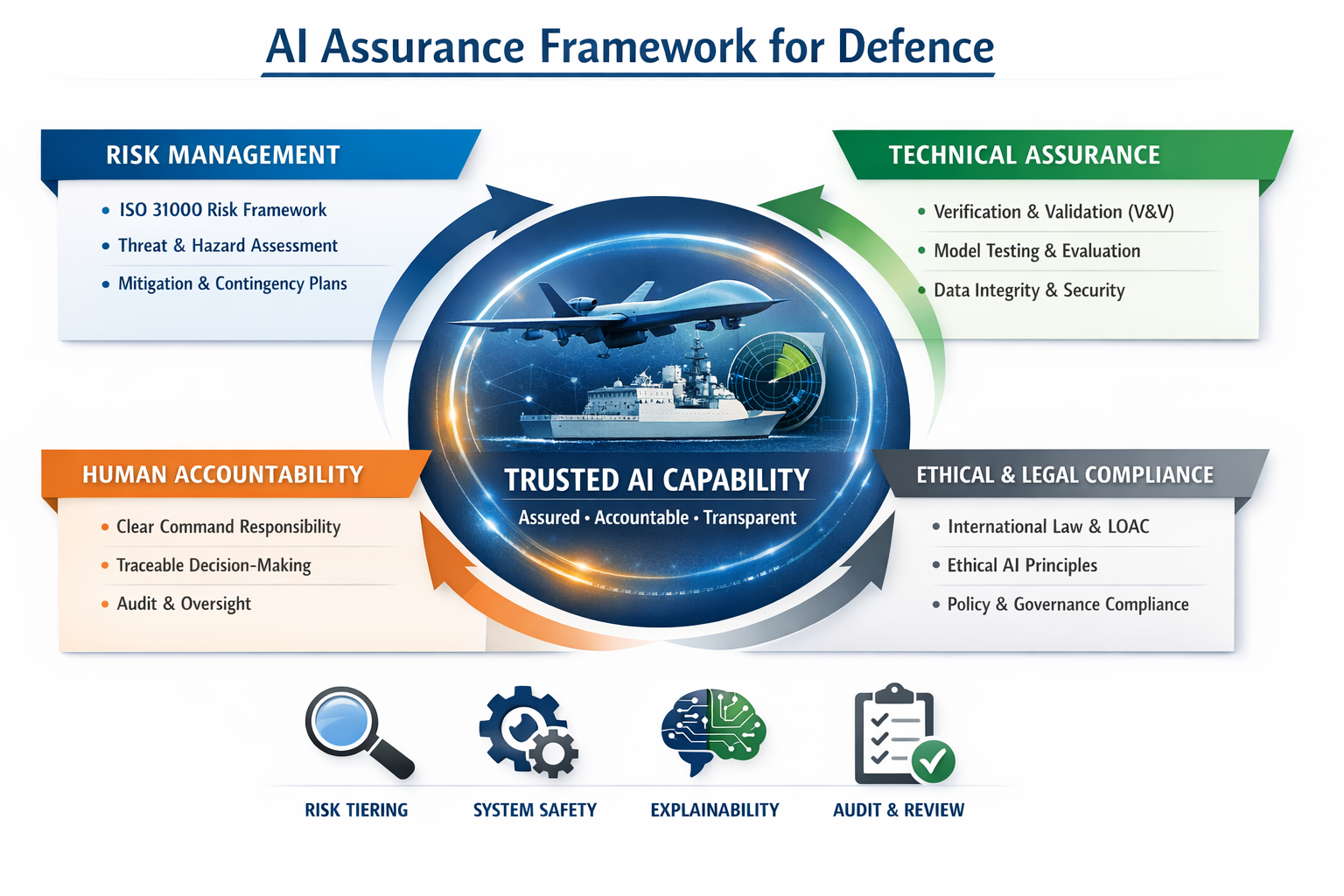
In Defence, government and safety-critical industry, AI must support human accountability — not replace it.
Benefits
AI-supported decision-making can help organisations:
- Detect issues earlier
- Prioritise limited resources
- Improve operational awareness
- Reduce manual analysis burden
- Support faster response
- Strengthen evidence-based decision-making
- Improve consistency across teams and sites
Example Application
An organisation managing a complex asset base may use AI-supported insights to identify which risks require immediate action, which assets are most critical, and where limited maintenance or inspection resources should be prioritised.
Similarly, a logistics operator may use AI-supported tracking data to identify route delays, container anomalies or movements requiring intervention.
In each case, the AI product improves the quality and timeliness of information available to human decision-makers.
ARIA’s Value: From Product Potential to Capability Delivery
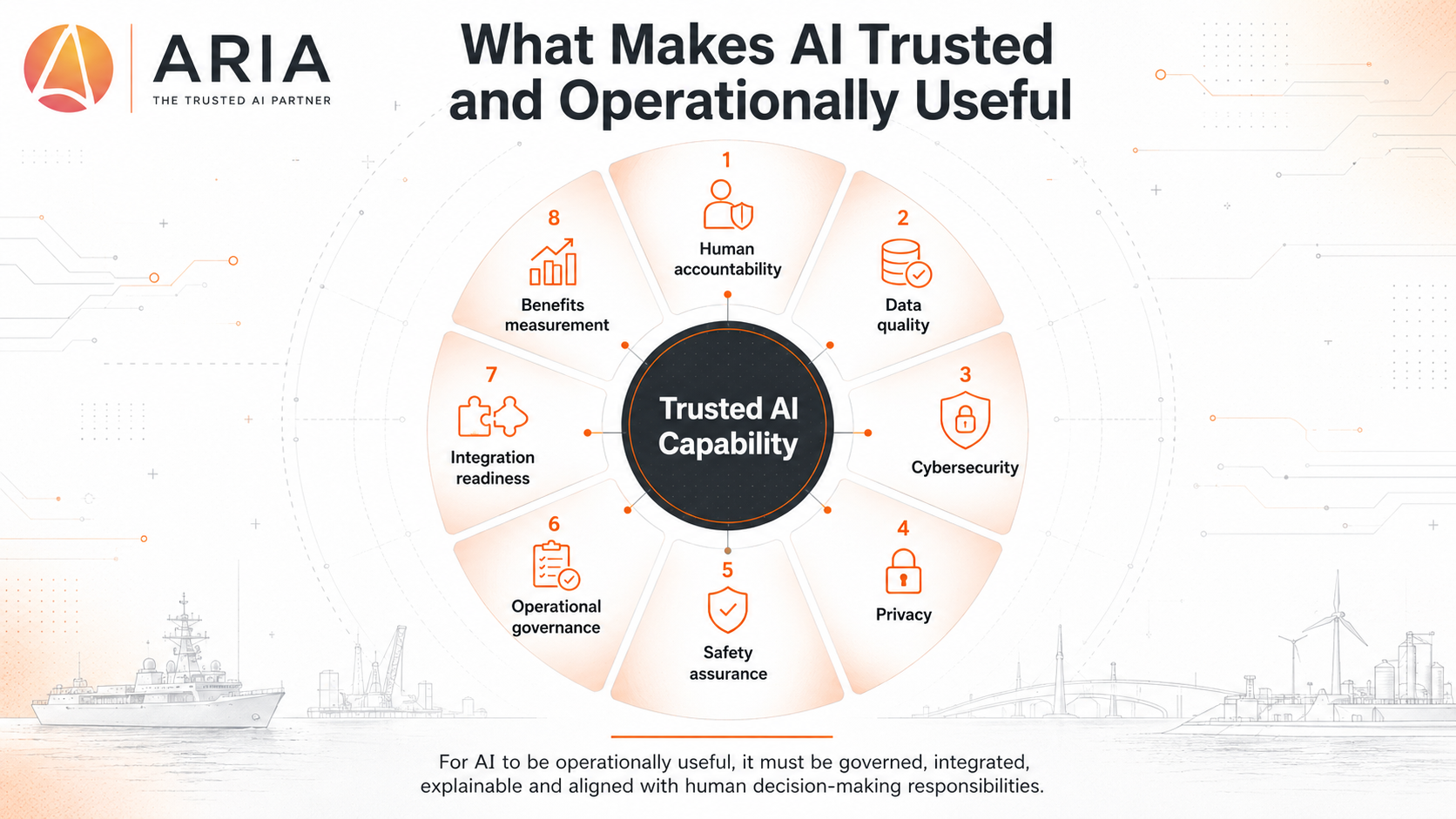
Emerging AI, sensing and data-enabled products often demonstrate strong technical potential. But technical potential alone does not create operational value.
To become useful capability, these products need to be:
- Understood
- Governed
- Integrated
- Tested
- Trusted
- Sustained
- Aligned to real operational outcomes
ARIA supports this transition.
1. Capability Translation
ARIA helps explain what the product does, what problem it solves, and how it can be applied in Defence, government, infrastructure, maritime, logistics and industrial contexts.
This includes converting technical product features into clear operational benefits.
2. Use Case Development
ARIA supports the development of practical use cases that demonstrate where AI, smart sensing and data-enabled products can create measurable value.
Examples include:
- Safer industrial worksites
- Improved asset visibility
- Better maintenance prioritisation
- Stronger logistics assurance
- Reduced emissions from maritime operations Improved environmental monitoring
- Stronger infrastructure resilience
- Improved readiness of operational equipment
3. Governance and Risk Alignment
ARIA helps ensure emerging technology products are considered through appropriate governance, risk, privacy, security, safety and assurance lenses.
This is especially important in Defence, government and safety-critical environments.
4. Market and Stakeholder Engagement
ARIA supports engagement with government, Defence, industry, research organisations and potential end users by helping position the product in language that aligns with operational needs, procurement pathways and capability priorities.
5. Implementation Planning
ARIA helps develop practical pathways for adoption, including pilots, trials, staged implementation, requirements definition, benefits measurement and sustainment considerations.
6. Benefits Realisation
ARIA focuses on outcomes.
We help organisations define how success will be measured, including improvements to safety, visibility, efficiency, compliance, readiness, resilience and operational performance.
Why This Matters for Defence and Critical Industry
AI, smart sensing and data-enabled products are increasingly relevant to Australia’s Defence and national industrial base.
They can support:
- Sovereign capability development
- Industrial safety and productivity
- Maritime sustainment Defence logistics
- Asset readiness Supply chain visibility
- Environmental monitoring
- Infrastructure resilience
- Emissions reduction
- Operational resilience
- Better use of scarce workforce and technical resources
However, successful adoption requires more than enthusiasm for technology.
It requires disciplined integration, clear governance, operational understanding and strong delivery management.
This is where ARIA provides practical support.
The ARIA Approach
ARIA’s approach is grounded in delivery, not hype.
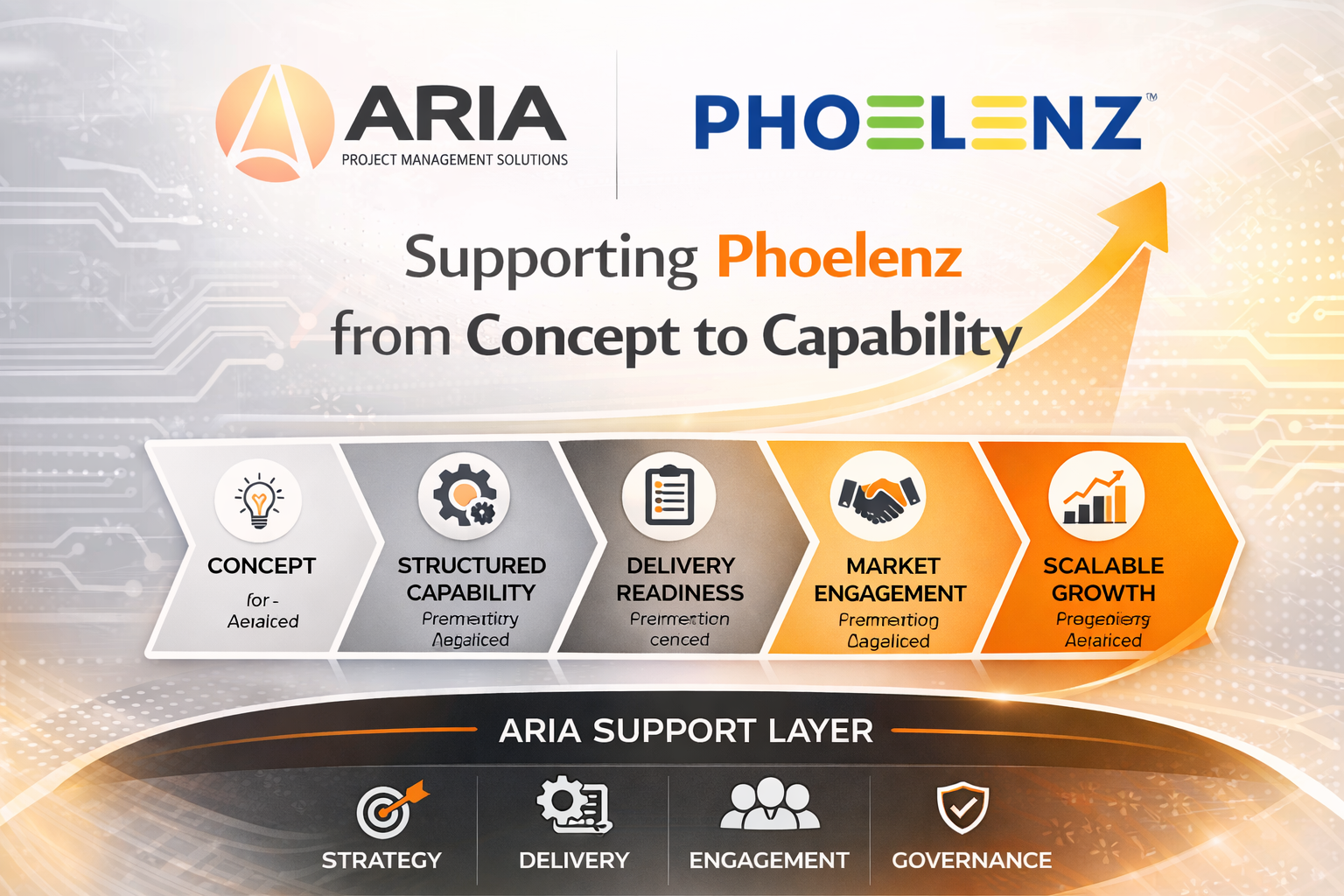
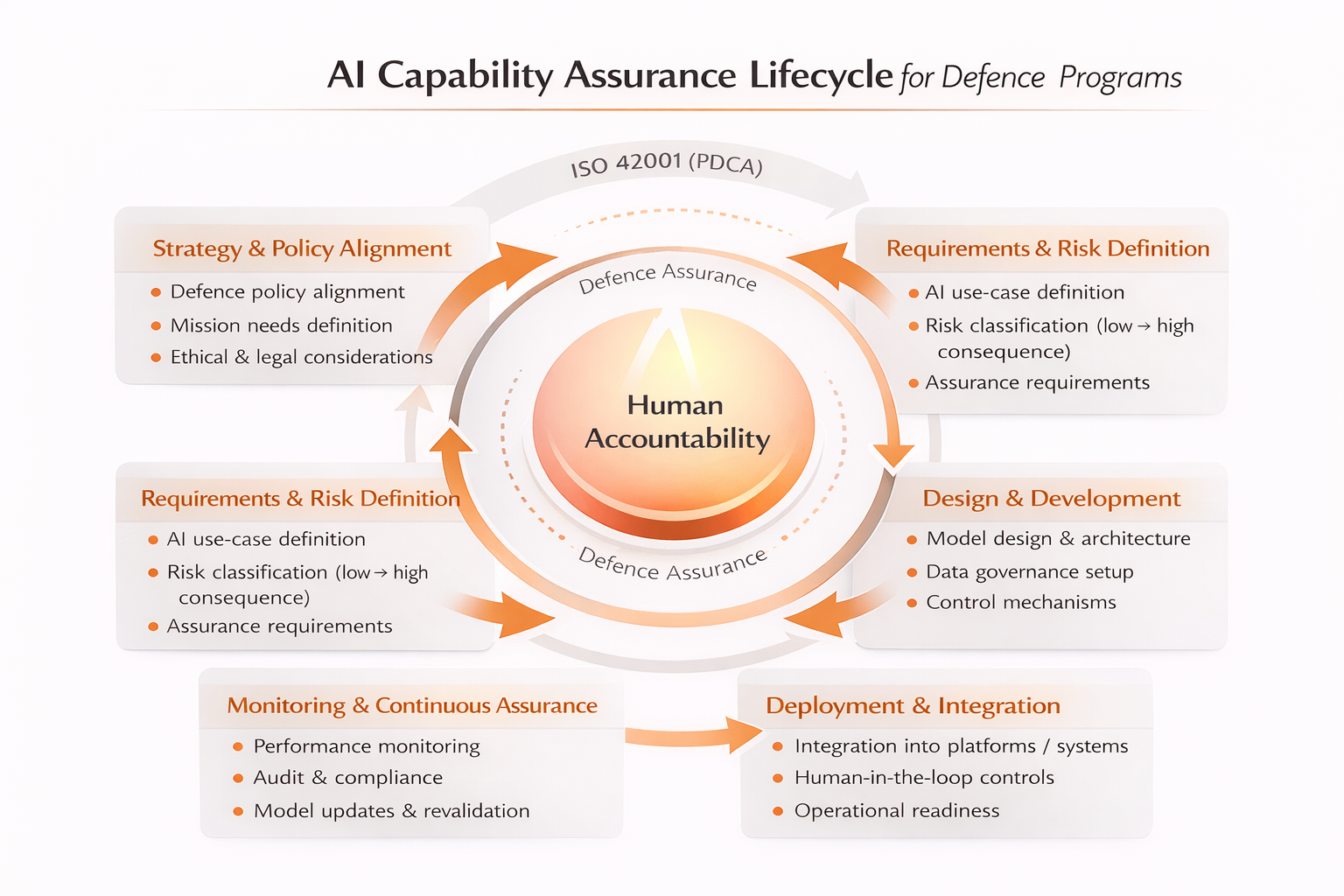
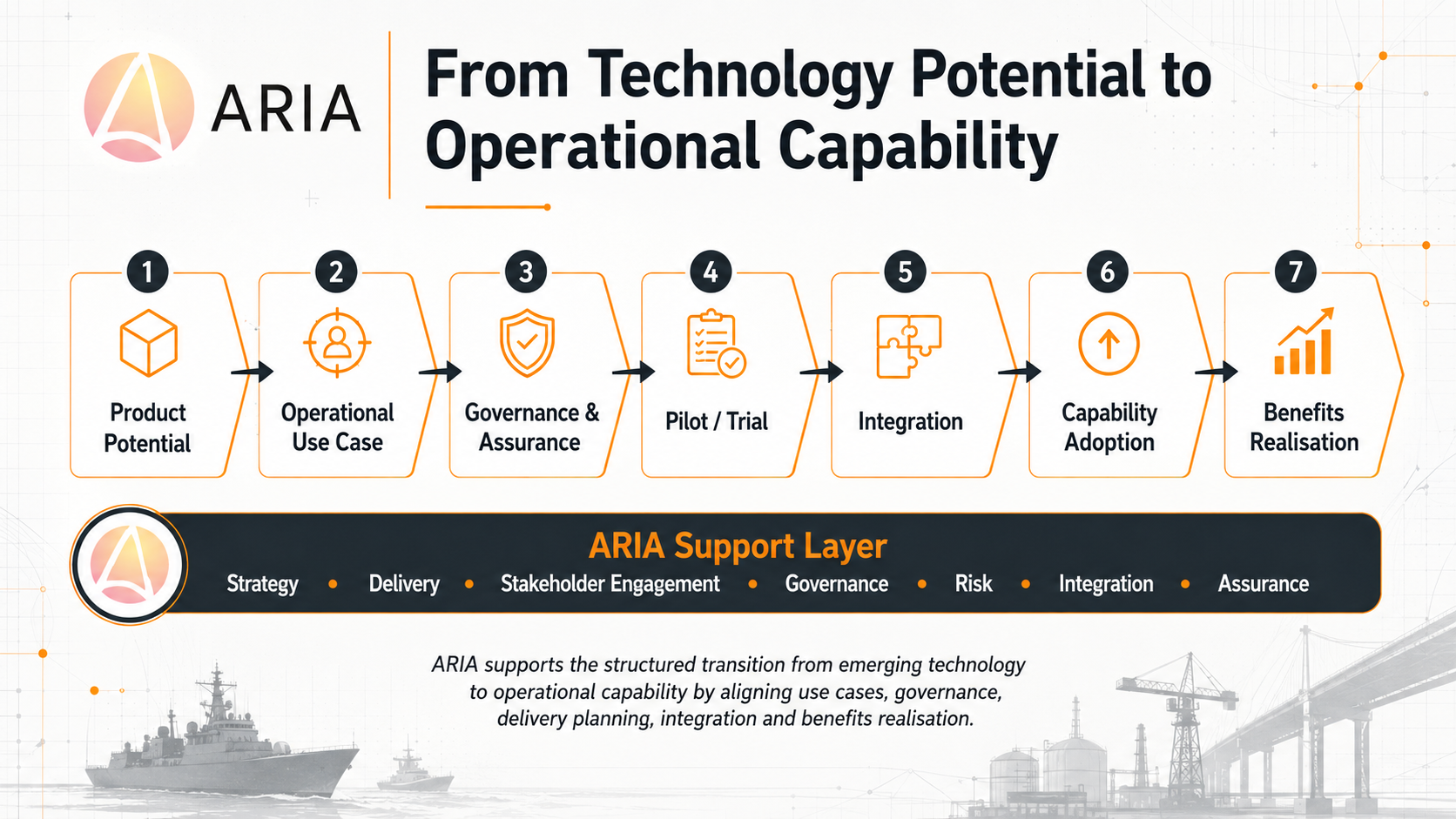
We help organisations move through a structured pathway:
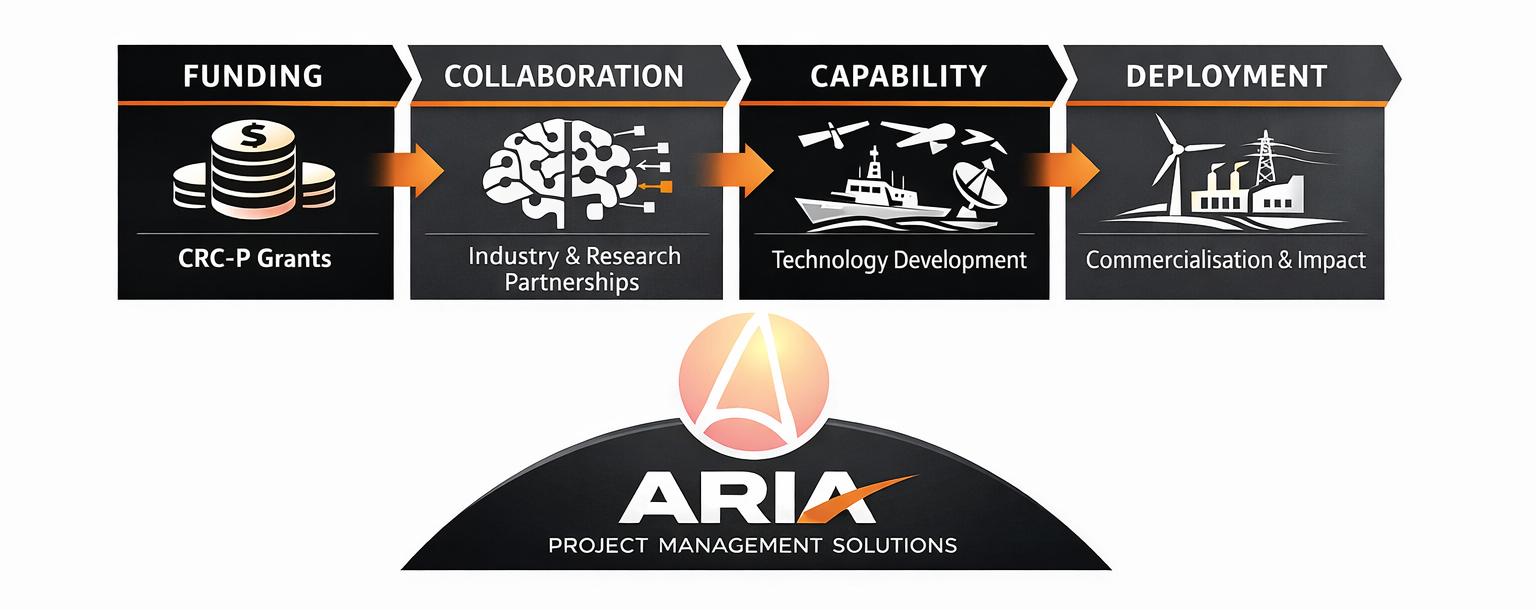
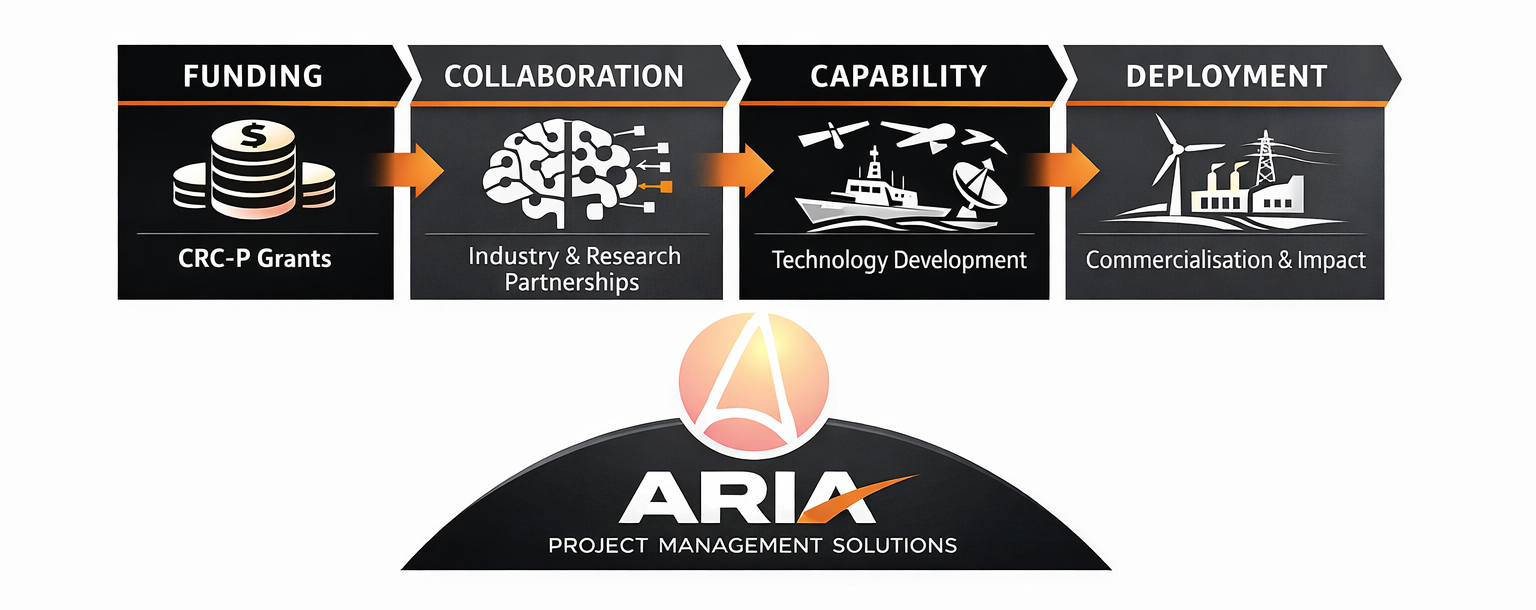
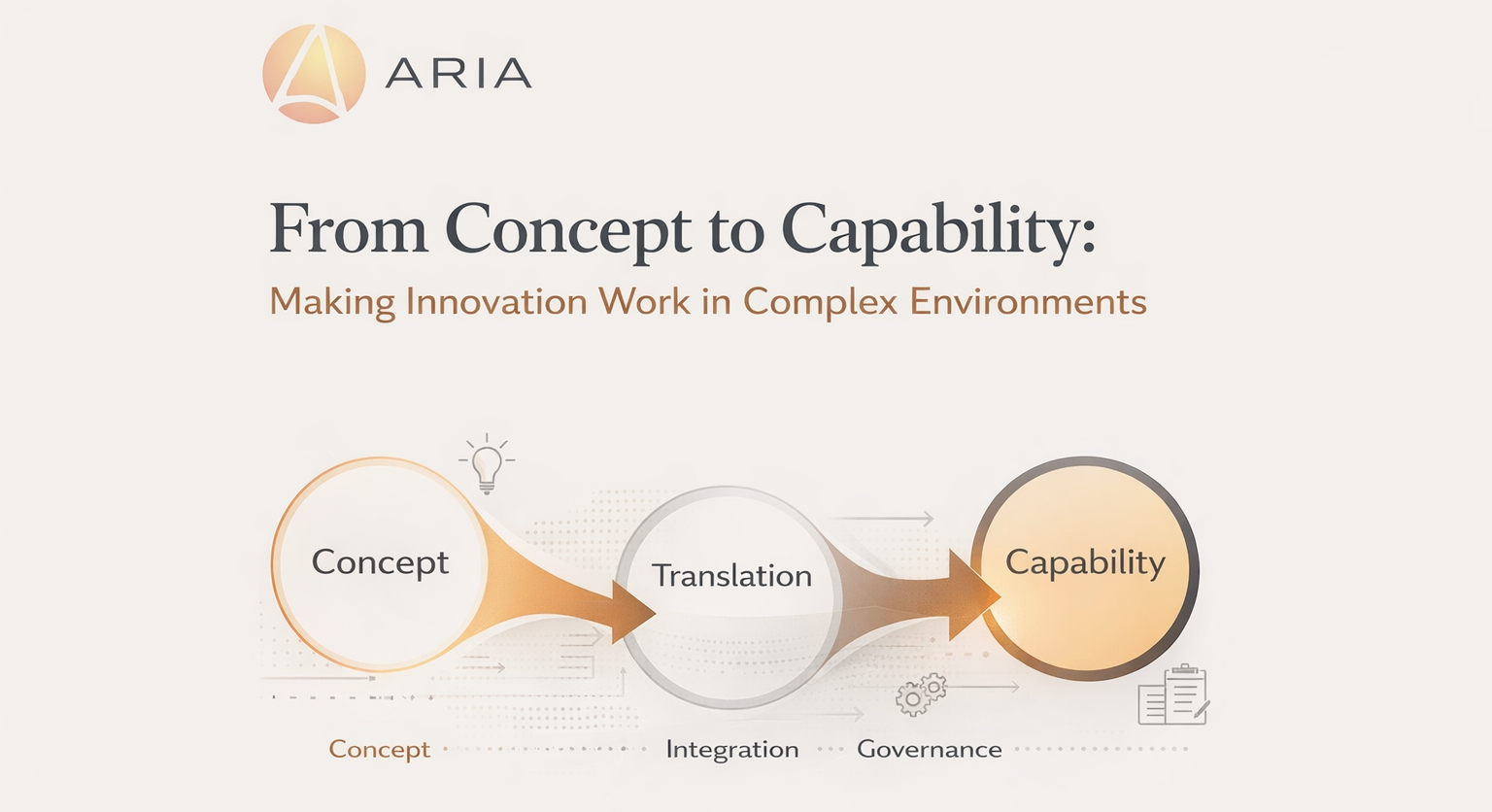
Product Potential → Operational Use Case → Governance and Assurance → Pilot or Trial → Integration Planning → Capability Adoption → Benefits Realisation
This approach ensures that AI-enabled, smart sensing and data-enabled products are assessed and implemented in a way that is practical, responsible and aligned with real-world operating conditions.
ARIA brings experience across Defence, maritime, sustainment, project delivery, asset management, procurement, systems thinking and emerging technology translation.
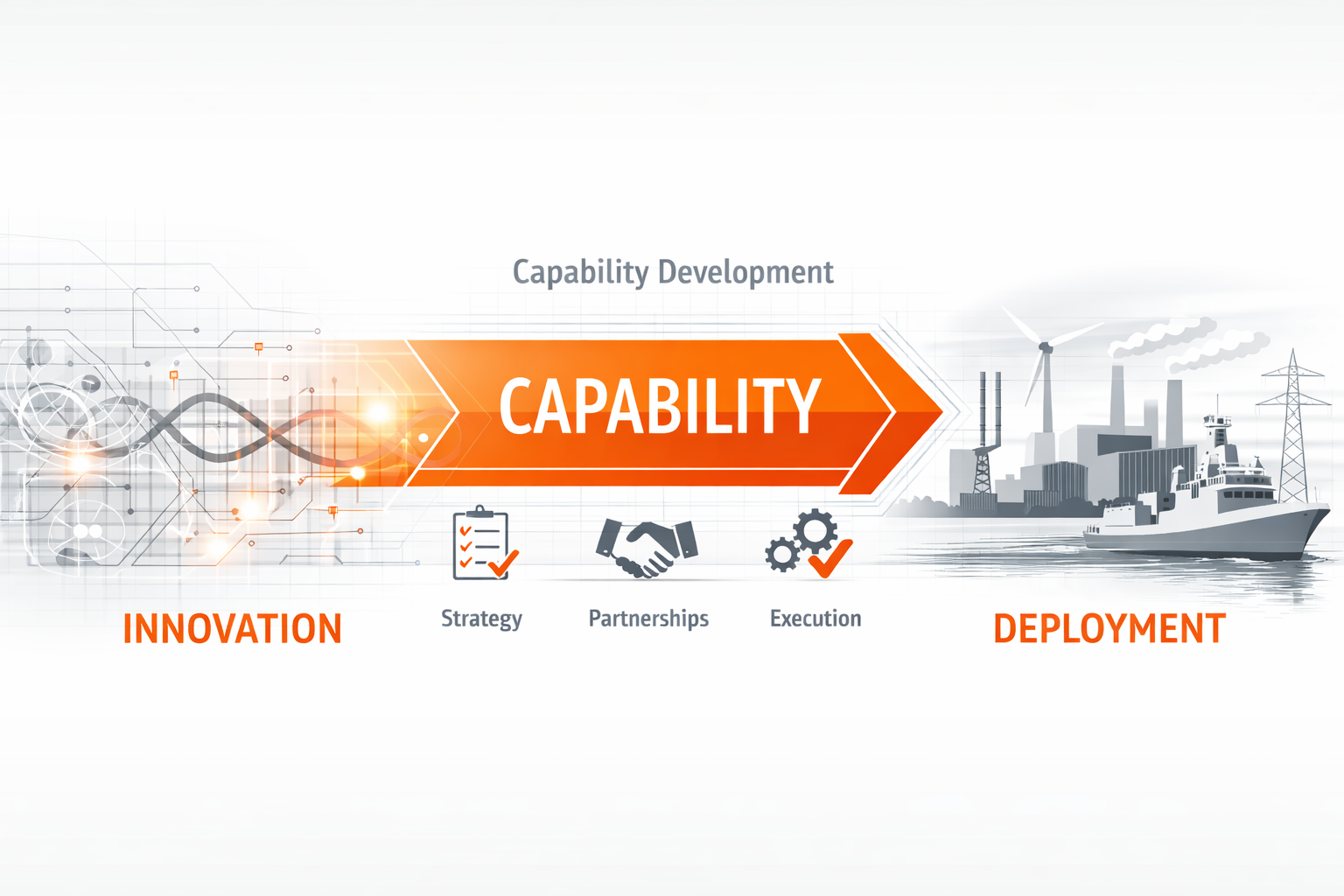
Our role is to help bridge the gap between innovative products and trusted capability.
Final Observation
AI, smart sensing and data-enabled technologies are already reshaping how organisations manage safety, assets, logistics, maritime operations, environmental risk, infrastructure and operational decision-making.
The opportunity is significant, but the real advantage will not come from technology alone.
It will come from organisations that can integrate these products responsibly, govern them effectively, connect them to real operational problems, and measure the benefits they deliver.
ARIA supports this transition by helping organisations move from technology promise to practical operational value
In complex environments, AI does not replace good judgement. Smart sensing does not replace human accountability. Data does not create value by itself.
The value is created when these capabilities are integrated, trusted and applied to decisions that matter.